



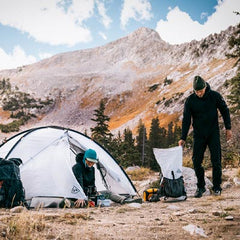
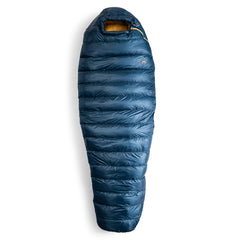
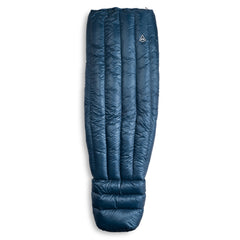
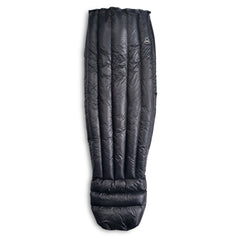
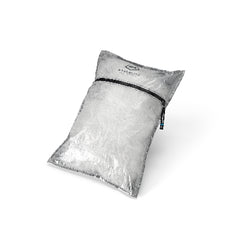
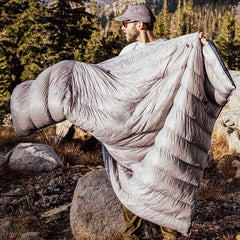
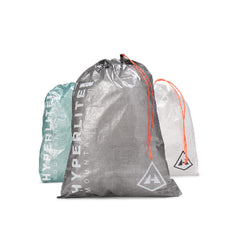

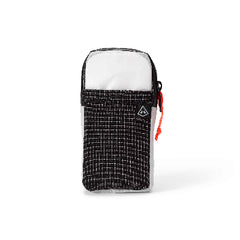


Most backpacking gear is built around old assumptions: that heavier means tougher, that more features mean better performance, and that discomfort is just part of the deal. It isn’t.
A better way to backpack starts by questioning what we’ve accepted for too long—and removing what quietly works against us once the miles add up.
Traditional Backpacking: Harder Than It Needs to Be

Heavy
Traditional materials and hardware contribute to extra overall weight without any gain in performance or durability.

Fragile and Easily Waterlogged
Traditional fabrics are prone to damage and soaking through in harsh, wet environments, leading to extra weight and soggy gear.

Inefficient
With too many compartments and pockets to dig through to get what you need, you lose time and energy over the course of the day and at camp.

Unnecessarily Complex
Multiple zippers, pack brains, and rain covers create failure points. Extra grams become ounces become pounds very quickly with excess material.
WHAT BETTER BACKPACKING UNLOCKS

Go Easier
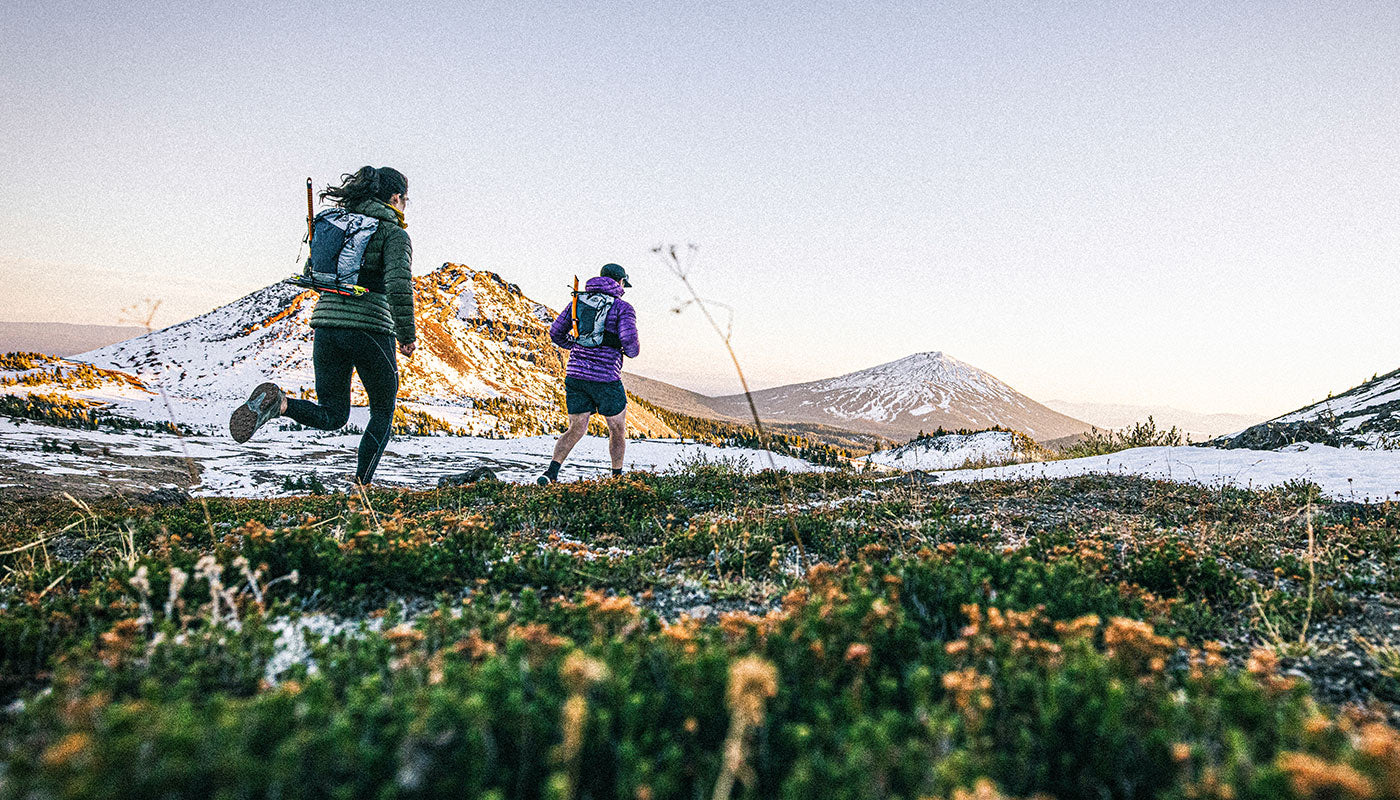
Reduce the limitations caused by a heavy, burdensome load. You’ll be able to cover more miles with less effort.

Increased Confidence + Safety
Carrying rigorously tested gear made with waterproof materials means your most critical items will be dry when you need them.

Enjoy the Moment
That’s the whole point, right? Revel in the reward of getting out to explore new terrain or revisit faraway favorites that feed your soul.

Move Freely
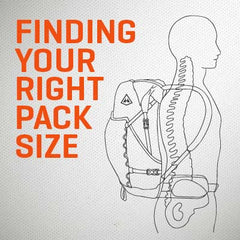
With gear that’s sized to match your dimensions, you’ll be more comfortable while minimizing body strain over long miles.
You’re not leaving things behind. A smarter setup does more.
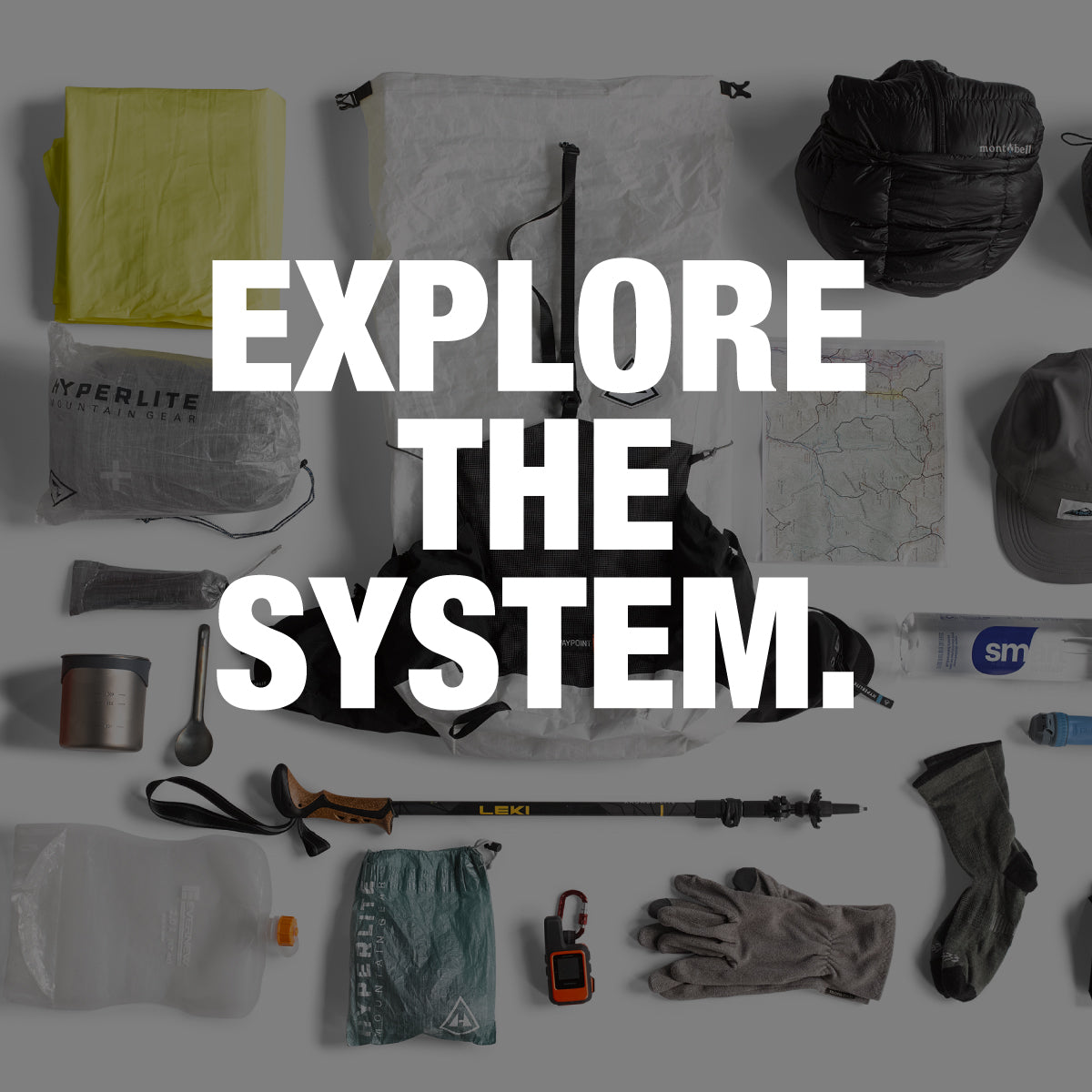
You still carry the same essential backpacking gear—shelter, pack, insulation, protection from the elements. The difference is how those essentials are built.


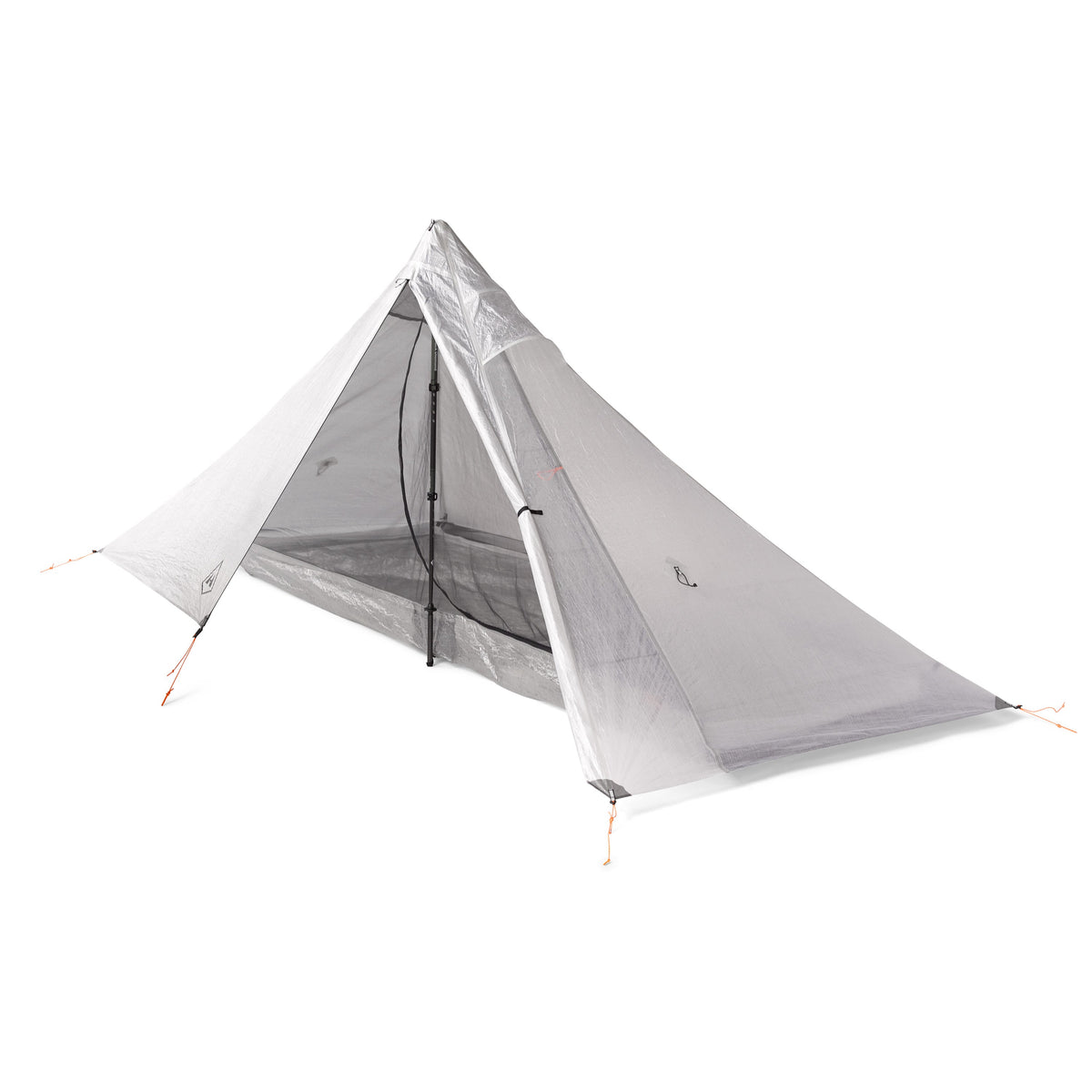




READY TO SEE HOW THIS IS POSSIBLE?
Dig deeper, or jump right in.