


Quick Summary
In this trip update, Tristan pedals solo through Colombia toward Cali and the Ecuadorian border, weaving together tough climbing days, wild camping challenges, and warm encounters with locals like a rancher, a farm-hosting grandmother, and a city-touring restaurateur. The journey takes a serious turn when a 7.4 magnitude earthquake strikes while he's on a break in the city with a friend, and he witnesses the community's resilience and solidarity in its aftermath. His route continued into Pasto, where he immersed himself in its Andean charm and music scene before heading on toward his next country, Ecuador.
Words and Photos by Tristan La Haye, @baby.ogre.motor @rollingtides.rt
This is the eleventh post documenting the surfpacking / bikepacking / backpacking adventure that began with Rylie and Tristan starting in different parts of the world, rejoining in the US, and making their way to Central America. Now, Tristan continues the journey solo again until the end of the road in South America. Read about the ambitious journey in Part 1 HERE, Part 2 HERE, Part 3 HERE, Part 4 HERE, Part 5 HERE, Part 6 HERE, Part 7 HERE, Part 8 HERE, Part 9 HERE, and Part 10 HERE. Tune in each month to see how it's going.

Slowly but surely, the pedals spun towards Cali, the salsa capital of the world. Yet I still had many miles to cover and mountains to climb, each one a substantial testament to will. My legs were cooked, my knee aching, and my hip still bruised from a nasty fall some weeks ago. Yet as humans, we become habituated to our own struggles and hardships, lending them a sense of normalcy in our lives. The sensations I feel on the bike are often unpleasant, but in time they have become mine; as reliable as old friends. They carry memories of hard miles traveled in lands left behind. They’re also a constant reminder of life — the resilience of the body, the determination of the mind.
 And so, the days continued to unfold, my mental map expanding as I soaked in the newness of every road. Days felt full, and my memory bag strained at the seams. Stories that felt so important sometimes slipped away into the forgotten abyss of experience. How long had I been here? I wasn’t exactly sure. One month? Two? Long enough to be extremely comfortable in Colombia. Long enough to have a rolling list of silly stories. Sometimes, while riding, I ponder the past weeks, so I don't lose them to the void. I chuckle as I recall a night weeks ago, when gripped with food poisoning while camped in a small town square in Antioquia. There was no bathroom in sight, and so I puked into a plastic bag until the town went to sleep. Finally, with nobody around, I could sneak out of the tent to throw up into the nearby drainage grate. It was a vile night, but I still smile remembering.
 But It’s maybe the more wholesome moments I yearn to remember most clearly. Like on a big climbing day leaving Salento, when a rancher accompanied me on his horse. We matched pace with each other, me in my lowest gear and him and Esterio (his trusty horse) walking comfortably beside me. Raul was a rancher, and he bemoaned his relationship troubles as we climbed, putting a solid dent in the elevation gain of the day. He asked me a flurry of the usual questions: Where did I come from? Where do I sleep? How can I afford to travel? What do I eat? I pulled out some samples of my latest favorite fuels: bocadillo (a lil brick of guayaba paste and sugar) and a little peanut granola bar. Although I’d found the latter at his local grocery store, it clearly wasn’t local fare; he nibbled on it like astronaut food, finally declaring it “interesting.” He wasn’t done with the questions, so he pointed at various bags and asked what was inside. I did a show-and-tell, unzipping pockets while riding and pulling out all my goodies, explaining what I used each for. The water filter really captured his attention, and although I couldn’t part with it, I gifted him a bunch of purification tablets instead. He posed for a quick picture before trotting away to his friend’s house, texting and riding. A true modern cowboy.
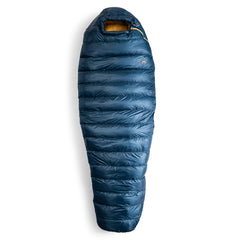
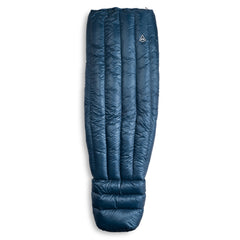
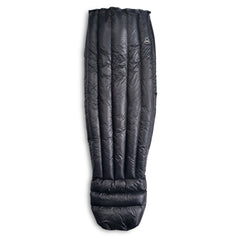
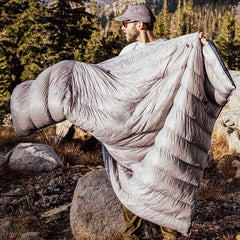
 On my own modern steed, I climbed and descended, eventually following the Magdalena River while listening to an audiobook by Wade Davis about the history of the very same river. It ran thick and brown, snaking down through the valley. In the evenings, bundled in my 20-Degree Quilt, I rounded out my cultural education with Gabriel García Márquez’s 100 Years of Solitude, soaking up the whimsy and artistry in his world of magical realism. As I drifted off to sleep, my perception of reality shifted, and I began to understand the famous author’s openness to the surreal.

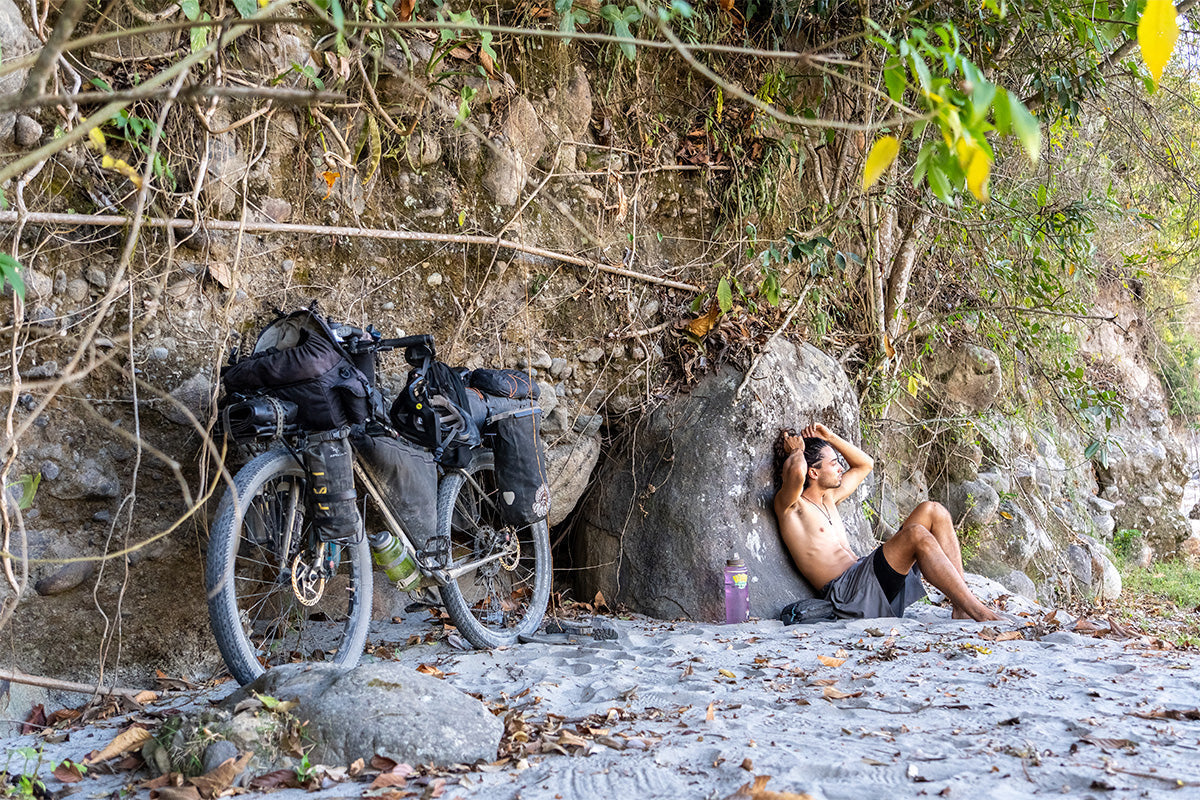
 Wild camping isn’t the easiest in Colombia, with most land fenced off with barbed wire. Sometimes, I resorted to asking folks if I could sleep on their property. Sometimes, I paid for a cheap hotel. If I was lucky, I’d find little wild nooks, usually on riverbanks. And sometimes, night crept along, and it became “one of those days” — when the search for a camp spot becomes a strung-out treasure hunt. I was turned away time and time again and felt wrung out in mind, body and spirit. I’d learned that the key to those moments was just to trust in the ways of the road. Sure enough, I was eventually guided towards a small farm at the top of a hill – a quiet paradise. Doña Gloria Luna, a kind grandmother, immediately took me in, cooked a big dinner of rice and pork, and protested my efforts to pitch the tent, insisting I sleep in a cozy little cabin. I ended up spending three nights up on the farm, birdwatching and helping make homemade wine from blackberries and guayaba. The little cabin’s window opened up to their growing coffee beans, a Colombian staple. However, because they didn’t have the tools to roast the beans, the elderly couple rely almost entirely on the income of their few jugs of wine tucked neatly under the stairs.

 On departure day from the farm, I received an email from the Canadian Government with the subject, “Presidential Inauguration and Puracée Volcano”. Uh oh. I planned to be in the same city as the Presidential Inauguration, where riots were a possibility. But the volcano? That same day, I would be biking Puracée National Park road, passing said dangerous mountain of fire. Apparently, it was spewing noxious air and was on orange alert level, indicating a change in behavior and possibility for eruption. The Canadian Government advised to stay far, far away. There wasn’t much to do but have a hearty laugh and start the climb, panniers loaded with 12 unripe avocados, a gift from a new friend, Julian. Hours of rain and lungfuls of sulfuric air later, I reached the spot I’d planned to camp — a vacant ranger station. Unfortunately, it was vacant for a reason. The air up there was obviously foul, smelling sour and sulfuric. Despite my exhaustion, I’d need to push onwards into the night to find a safe place to rest. Eating the last of my calories, I took off into the mystical paramo, relishing the sense of adventure as daylight faded behind the clouds. A few hours later, I limped into a campground with hot springs, an absolute dream. The hot springs ended up being too cold to soak in, but just the idea of them was delicious enough to warm me up a lil.

 There aren’t many dull moments when traveling by bike. I rolled into the city of Popayán the next day, guided by a local cyclist who insisted I eat at his restaurant later that night. I did, and Holman took me on a tour of the city aboard his motorbike. He pointed to historical buildings, streets to avoid, and onwards, beyond the Cordillera Occidental where coca farms and narcotrafficking dominated the land. It was the harsh reality of Colombia, and the contrast with the lighthearted adventure I’d been living was powerful. I felt guilty of my privilege and helplessness, distanced from the conflicts of their home.
 From Popayán I’d leave my bike for a mini vacation, busing North to meet my Chilean ski brother Gaspar. He had taken time off work to surf in Costa Rica and was making a pit stop on the way to hang out. The Presidential Inauguration ended up being calm, with only small protests for right-wing leader Abelardo de la Espriella taking the helm. It felt like Gaspar had brought home to me, and I soaked in the familiarity of our conversations and laughter. We played tourists, but mostly just appreciated time to rest and share space. On the morning of August 10, I was woken up by the rumbling of the earth.
The 7.4 magnitude earthquake changed lives within moments. Buildings in the city crumbled to rubble. The epicenter, hundreds of kilometers away, was affected even more intensely, and the high death toll wasn’t known until days later. Luckily, the building we were in held strong, as did most on our street. Together, everyone milled around outside, comforting and messaging friends and family. The next day, while sitting on stacks of water bottles aboard the back of a truck, we witnessed the city come together in an incredible way. Stockpiles of food and essential items piled up at various resupply points throughout the city. The solidarity of the community was heartwarming amidst the grief of tragedy. This was a people shaped by adversity, and I couldn’t help but fall in love more deeply with the strength and kindness of Colombia.
 With thoughts still lingering on those affected by the earthquake, I jumped back on the saddle headed South. The first pedal strokes were wobbly and uncertain, but my rusted limbs slowly loosened, and I began to flow with the rolling road once again. The man on the motorcycle ahead of me, however, was maybe too deep in the flow, as he nodded off and swerved off the road into a bush directly in front of me. A stride to either side of the bush would have sent him flying off an 8ft ledge, or into me. He was especially lucky and was equally unfazed. With the help of a handful of other motorists, we managed to haul the bike back onto the road. With a sleepy grin, the driver sped away. Yet another reason why quiet dirt roads reign supreme.
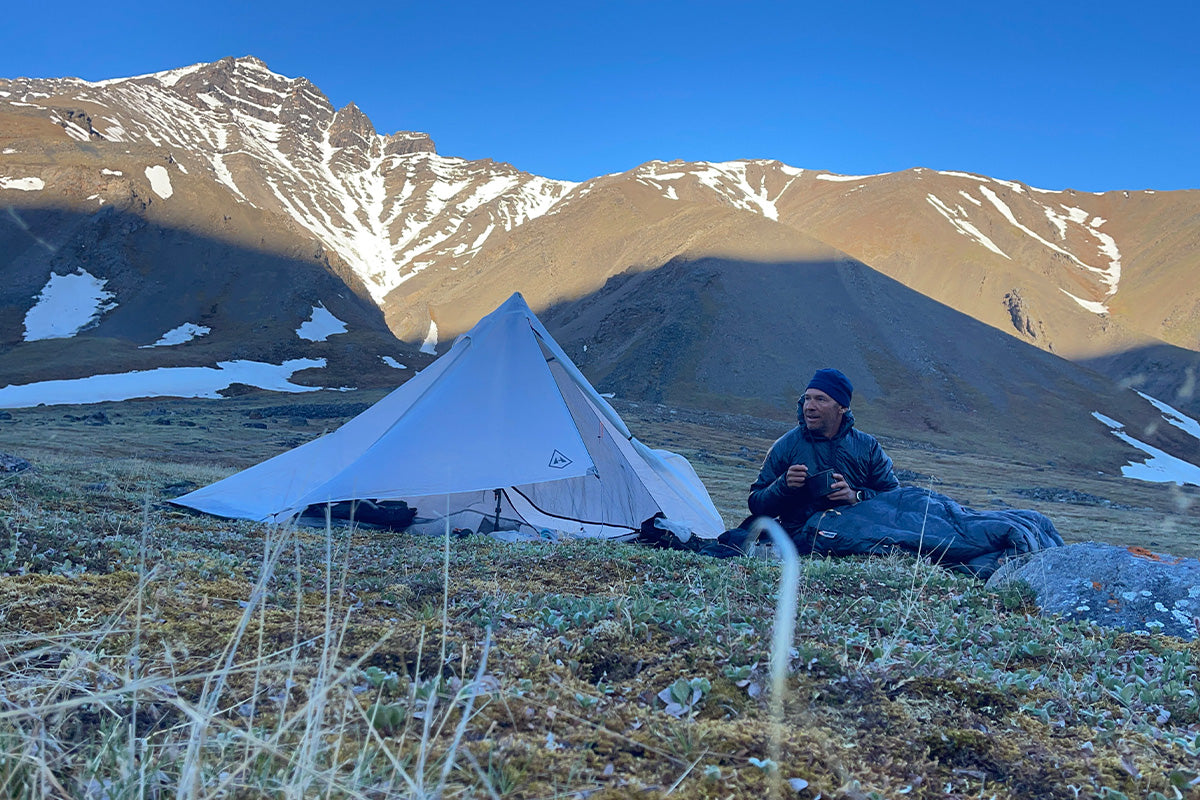
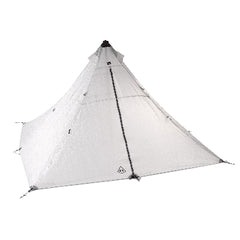
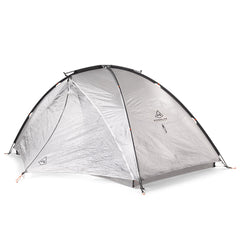
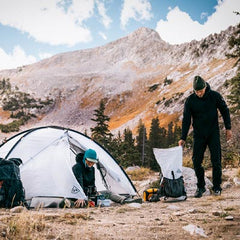
 As I approached Pasto, wild camping became more and more feasible, and the CrossPeak 2 was relieved to finally get some fresh air. Sometimes, it feels like I'm full on glamping out here with warm meals, cool air, and endless books. It’s interesting that even with so little, nothing is ever missing, and I keep wanting to drop more weight and gear. I have no doubt that after a few 4000m passes in Ecuador, my cumbersome laptop will have magically found a new home. Carrying your life around has a way of changing the way you value things. An item’s weight and packability will often outweigh its utility, and it feels like a lifelong balance of trying to strike that sweet spot of comfort. Sometimes I just need something to think about when struggling uphill, so I ponder – what more can I afford to lose?
 The road wrapped around the hillside, and so would I. As the valley beyond came into view, ridges sliced the horizon, descending deep into the valley and meeting the river below. Pasto is a special place, and has a true Andean mountain feel to it – like more of a town than the significant city it is. Filled with artists, musicians, and life, Pasto comes together every year to create a mind-boggling Carnaval. If you haven’t heard of it before, I suggest you check it out; it's pretty dang impressive! My host, Mateo, a kind and generous musician, easily convinced me to stay longer in the comfort of his beautiful apartment with the promise of music and all night dancing. It was the final hurrah of my time in Colombia, and I vowed to return as I pedaled upwards to the Ecuadorian border with fresh gas in the tank.