



Words and Photos by Rylie and Tristan, @rollingtides.rt
This is the seventh post documenting the surfpacking / bikepacking / backpacking adventure of Rylie and Tristan starting in different parts of the world, rejoining in the US, and ending together until the end of the road in South America. Read about their ambitious journey in Part 1 HERE, Part 2 HERE, Part 3 HERE, Part 4 HERE, Part 5 HERE, and Part 6 HERE. Tune in each month to see how it's going.

Burning sand, midday heat, we sit idly under the shade staring at the glare off the ocean's surface. A ray jumps out of the water as if hoisted by hands underneath. It flaps wildly, pausing at its apex and then belly flopping back into the water. You can’t see their faces when they jump as the eyes and mouth lie on the underside of their bellies, but I always imagine them flying out of the water with a huge grinning smile.
 Why do rays jump out of the water? Does it serve a purpose, or is it purely for fun? Is having fun considered purposeful? As humans pursuing a life of adventure sports outside of a competitive context, this is a question we return to. Our adventures often take us into the territory of type two fun (temporary and voluntary suffering), and we sometimes question the productivity of such pursuits.

 Especially now, as our expedition has taken a new shape. The modified bike trailer is bouncing down the road with us, equipped with the frame of an old beach chair as a kickstand and a welded rack for the boards. In inland towns, we produce quite the sight: two sweaty, zinc-caked foreigners pedalling down the main strip, tablas (surfboards) in tow. Our objective is to bike down the entire West coast of Central America, surfing where we can.

 When the stars align, we spend hours upon hours leashed to our boards paddling circles in the wobbling ocean swells, hoping to score a few magical seconds standing up. Some sessions, we may score several rides, progress our technique, or make friends in the lineup. Other days, we paddle endlessly just to be thrashed by waves and swept by the current.
 The pursuit of surf has slowed the pace of this journey, a welcome change in the increasing heat of each day further south. We stretch sore limbs on the hard-packed sand before the sun becomes too intense. This time it’s our arms that ache, our shoulders stiff, and our necks knotted. Navigating the new world of surf has been both humbling and refreshing. It’s a twist on this adventure that has been in the works for over a year. Now that the gear and swell are lining up, plus the welcome addition of a fishing rod, we’ve been enjoying the blossoming of detailed planning.
 Surfing entails a certain amount of submission to Mother Nature; we are at the mercy of the ocean, the timing of the tides, and the presence or disappearance of rideable waves. This slowing has allowed us time to meet places at a deeper level, and be more than just passersby.
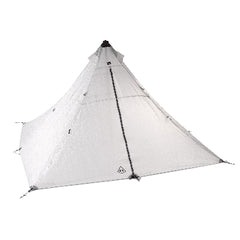
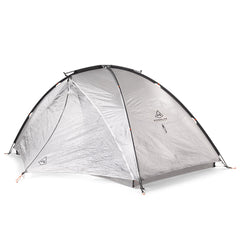
It was our second week in Chacahua. Word had been buzzing around the small town about the arrival of a swell—larger, more consistent waves. We waited eagerly to see how the pulsing ocean would fill the bay. We had found ourselves a humble camp spot to pitch our tent, a short walk from town, under palapas, on the beach with Charles, the camp's local rooster/surf alarm. The whole town actually rests on a sand spit, so we had to be diligent about what time we planned our walk to grab groceries. Even a five-minute waddle in the sun, our backpacks loaded with eggs and mangoes, would zap us of our energy for the day.
 The owner of the campsite, Rebecca, sat calmly, concentrating each day, stringing pieces of artwork, dreamcatchers, and arrangements of shells to hang around the palapas. We jumped in the waves to cool our cooking bodies and swayed in hammocks, reading and contemplating being so still for a change. We made friends and shared meals, chatting away the afternoons while watching the surf, a cherished, simple activity that felt like a comforting piece of our prior lives.
 The fabled swell inevitably arrived, and we threw ourselves into the water on our new (used) surfboards. A lot of care went into choosing our boards, which would need to be reasonably short enough to fit on the trailer and still have enough volume to be versatile. As of now, we have a high volume 6’2” so Tristan can learn the finer points of wiping out, and a 5’10” Haydenshapes so Ry can start painting turns.

 After a week of waiting on waves, trying to find purpose in daily efforts of art and fishing (Tristan probably put in a full-time job's worth of fishing-related hours). We were ready to be playing in the water amongst the sea life rather than trying to pull them out.
We had only caught a few small fish that week, the biggest of which was swept off the rocks by a rogue wave promptly after gutting it and marvelling at its gifted presence. I was so distraught at our tough luck that I reached my hand into the waters, where it was swept away, only to be bitten by a territorial triggerfish. (Nature giveth, nature taketh).
 The surf was equally demanding of our patience. Large sets of dark blue surging waves stacked up in the bay, crashing on the whole crowd of surfers and sweeping us halfway back towards the beach. If you were persistent, you could paddle against the current and walls of whitewash to make it back out exhausted and not unscathed. If you were smart (or lazy?) you could surrender to the ocean and get swept back onto the beach, where you could walk out on the rocky man-made promenade and hop in close to the point. After a few days of cleaning out our sinuses, we resorted to watching the chaos from the beach, only jumping in when it seemed calmer, only to find the waves suddenly too soft to ride.
 Maybe we’re spoiled now. We have supercomputers in our pockets, can call family members from almost anywhere in our adventures, search up our wildest curiosities in seconds, and choose from millions of songs to listen to in the blink of an eye. No wonder we can be hard-pressed in the face of delayed gratification. Bikepacking, surfing, and now fishing are giving us good practice in gambling our effort for no promise of reward. Nature sometimes finds funny ways of reminding us to enjoy the process. A quote from Robert M. Pirsig in his book “Zen and the Art of Motorcycle Maintenance” feels familiar in this sense:
“Mountains should be climbed with as little effort as possible and without desire. The reality of your own nature should determine the speed. If you become restless, speed up. If you become winded, slow down. You climb the mountain in an equilibrium between restlessness and exhaustion. Then, when you’re no longer thinking ahead, each footstep isn’t just a means to an end but a unique event in itself. This leaf has jagged edges. This rock looks loose. From this place, the snow is less visible, even though closer. These are things you should notice anyway. To live only for some future goal is shallow. It’s the sides of the mountain that sustain life, not the top. Here’s where things grow.”
 Some days, our mountain is a literal mountain pass via bike, dragging surfboards behind. Some days it’s simply walking to the grocery store. Either way we’ve been trying to release the pressures of fruition and enjoy what the moment has presented. Combining bikepacking with surfing has opened new opportunities to create playfulness in our pace. And while inviting playfulness doesn't always look productive, it seems to be a core foundation for a sustainable, enjoyable journey. Now, when the fish aren’t biting or the waves aren't lining up, we look to the Rays, who jump out of the water for reasons unknown. Can we find moments of soaring above the sea? Not to gain miles, but simply to enjoy.


