







Quick Summary
Chloe Hammond recounts her first summer season (June 2026) as a Hutkeeper at the off-grid Opus Hut, set at 11,765 feet below Ophir Pass in Colorado’s San Juans, where her days balanced early-morning cooking, cleaning, and guest care with short midday windows for exploring nearby lakes, ridges, and basins. In her post, she graciously shares a “mountain kitchen” section featuring four flexible, cook-by-feel hut favorites packed with ingredients she hauled in her HMG packs up the pass by bike, and reflects on the rhythm, crew, and remoteness that made the season memorable ahead of her return for winter.
Words and Photos by Chloe Hammond @chlo_hammond
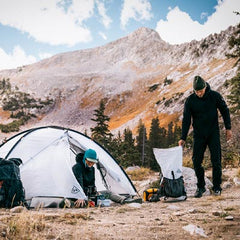
At 11,765 feet in Colorado’s San Juan Mountains, just below Ophir Pass between Silverton and Telluride, sits the Opus Hut. Since opening in 2010, this off-grid mountain refuge has served as a base for skiers, splitboarders, hikers, and others drawn to the surrounding mountains.
Inspired by the mountain refuges of Europe, Opus has a character all its own. Solar power, a rainwater collection system, and a wood stove help keep things running, while the surrounding peaks offer plenty of reason to venture outside. In winter, guests return from days in the snow to warm meals and a place to gather after traveling into the hut on skis through challenging backcountry terrain. Come summer, alpine trails, wildflower-filled basins, and high mountain passes connect the surrounding landscape. Though the seasons bring very different experiences, reaching Opus always requires planning and a willingness to venture into a remote mountain environment.

In June 2026, I arrived to begin my first season as a Hutkeeper. My job was to cook meals, welcome guests, keep the hut running, and help make each stay memorable. With five rooms sleeping up to 20 guests, a new wood-fired sauna, and a steady rotation of hikers and mountain travelers, there was plenty to keep us busy.
What I didn't expect was how quickly the job would become about more than keeping the hut running. Our days followed a rhythm of early mornings in the kitchen, busy mealtimes, and a few precious hours in the middle of the day to get outside. We'd have coffee brewing by 6:30 a.m., breakfast ready by 7:30, and the hut cleaned up before heading into the mountains during the quieter hours. If we managed our time well, the afternoon was ours to explore before returning to prepare soup, dinner, and dessert.
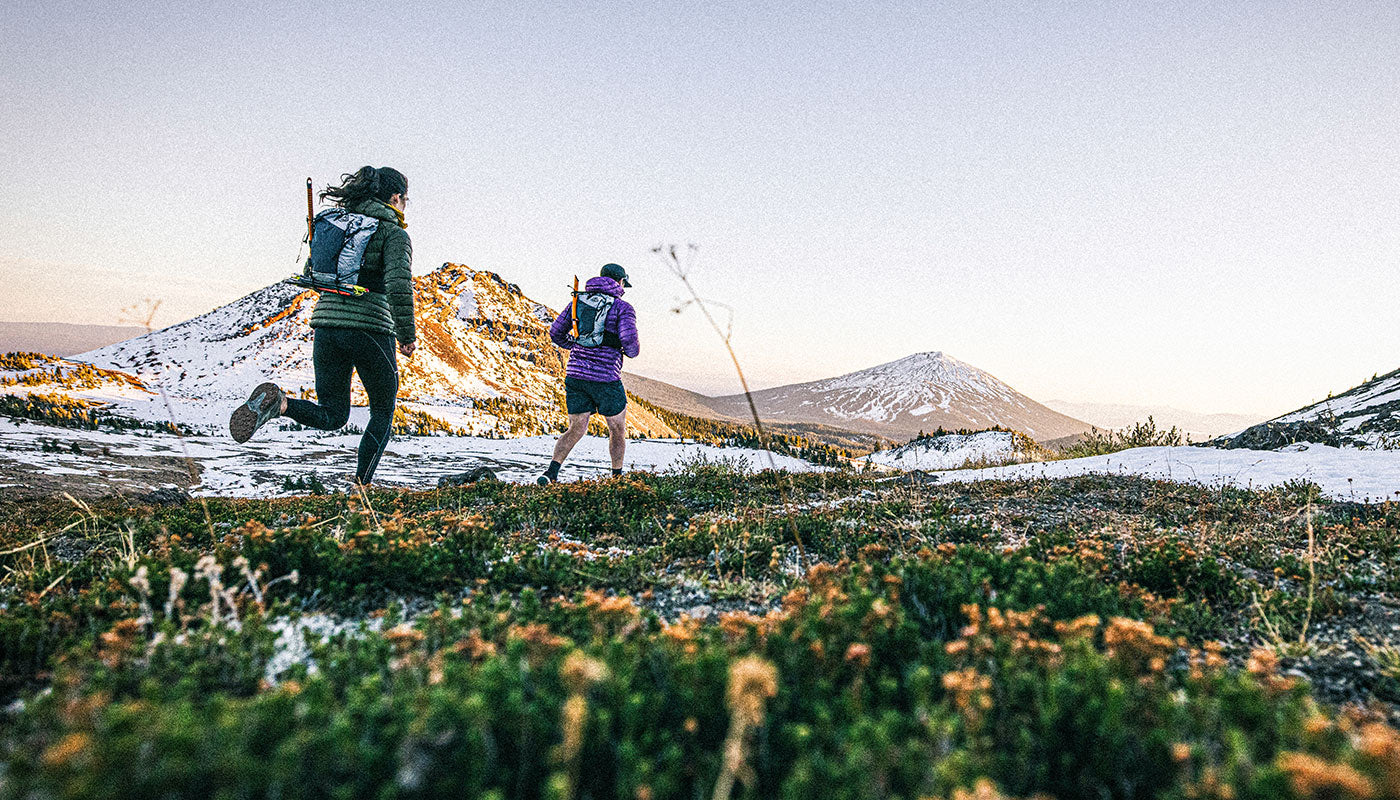
That midday window quickly became one of my favorite parts of the job. With the mountains right outside the door, there was always somewhere new to go, even if I only had a few hours. Some days were spent hiking toward alpine lakes and ridgelines. Other days, simply getting outside for a short walk was enough. Over the course of the summer, I had the opportunity to explore much of the surrounding area, often in the small windows of time between responsibilities.

Of course, a summer at Opus isn't all time on the trail. There's plenty of cooking, cleaning, problem-solving, and learning to live and work alongside a small team in a remote place. The job requires flexibility, and the mountains don't always cooperate with your plans. But that balance is part of what makes the experience rewarding. Over the summer, the hut became more than just a place to work. It became a home base for exploring the San Juans, meeting people from all over, and finding a different kind of balance between work and time outside.
A MOUNTAIN KITCHEN


As much as I looked forward to getting out into the mountains, the kitchen was where much of my day unfolded. Cooking at Opus meant preparing meals for guests returning from long days outside, often with appetites to match. There was something satisfying about offering a warm, hearty meal at the end of those days. Over the summer, certain recipes became staples, and cooking for a rotating group of guests gave me plenty of opportunities to experiment.  Guests often told us we should put together an Opus recipe book. Given our remote location, people were frequently surprised by the quality and variety of meals coming out of our little kitchen. Over the course of the season, I found myself returning to a handful of recipes that were just as enjoyable to make as they were to share and eat. Below are a few favorites that have stuck with me.
I tend to cook by feel rather than by measurement, adjusting ingredients and seasonings to taste and to the size of the group I'm feeding. At the hut, recipes need to be flexible enough to accommodate different group sizes and dietary needs, so many of the ingredients can be adjusted, substituted, or left out. The recipes below follow that same approach.
ELOTE CORN BAKE
Ingredients
Corn
Fresh cilantro
Jalapeño
Bell pepper
Red onion
Fresh lime juice
Cotija cheese
Cream cheese
Sour cream
Seasonings
Tajín
Chili powder
Paprika
Cumin
Garlic powder
Salt and pepper
Method
Start by charring the corn in a hot skillet on the stovetop. Let it develop some color before adding the diced bell pepper, jalapeño, and red onion. Cooking the corn over high heat gives the dish a smoky, slightly charred flavor that carries through the finished bake.
While the vegetables cook, combine the cream cheese, sour cream, a squeeze of fresh lime juice, and chopped cilantro in a separate bowl. Crumble in the cotija cheese, then season with tajín, chili powder, paprika, cumin, salt, pepper, and garlic powder. Taste as you go, adjusting the lime and seasonings until everything comes together.
Once the corn and vegetables are nicely charred and softened, fold them into the creamy cheese mixture and transfer everything to an oven-safe baking dish. Top with extra cotija and chopped cilantro, then bake at 350°F for about 30 minutes, or until the top is lightly golden and the dip is heated through.
Serve warm with tortilla chips, or bring it out as a side for taco night. It's an easy crowd-pleaser, and a little smoky, tangy, creamy goodness goes a long way.
SUMMER VEGGIE MISO PASTA
Ingredients
Penne pasta
Miso paste
Parmesan cheese
Heavy cream
Yellow onion
Garlic
Bell pepper
Zucchini
Spinach or kale
Fresh parsley
Olive oil or butter
Seasonings
Garlic powder
Thyme
Sage
Oregano
Salt and Pepper
Method
Start by sautéing diced yellow onion and minced garlic in olive oil or butter until softened and fragrant. Add the chopped bell pepper and zucchini, cooking until the vegetables begin to soften. Stir in your greens of choice, spinach or kale work great, and season everything with salt, pepper, garlic powder, thyme, sage, and oregano.
Meanwhile, bring a pot of salted water to a boil and cook the penne according to the package instructions. Before draining, reserve a little pasta water to help bring the sauce together later.
In a separate bowl, whisk the miso paste into some warm water until smooth and free of lumps. Pour the miso mixture into the vegetables, stirring to coat everything evenly. Let it simmer gently for a few minutes before adding the heavy cream. Stir well and allow the sauce to simmer for another few minutes.
Add a generous handful of grated parmesan, stirring until it melts into the sauce. Taste and adjust the seasonings as needed. Once the pasta is cooked and drained, toss it into the vegetable miso sauce, adding a splash of reserved pasta water if needed to loosen the sauce and help it cling to the noodles.
Finish with more parmesan, a sprinkle of freshly chopped parsley, and any final adjustments to the seasoning. Serve warm for a creamy, savory pasta packed with summer vegetables.
HERBY PISTACHIO BUTTER RICE
Ingredients
Basmati rice
Salted butter
Pistachios
Fresh dill
Fresh mint
Fresh basil
Fresh cilantro
Fresh parsley
Garlic
Thyme
Seasonings
Salt and pepper
Method
Start by rinsing the basmati rice until the water runs clear. At the hut, we use a pressure cooker, but a stovetop pot works just as well. Add the rice and the appropriate amount of water, then cook according to the package instructions or your pressure cooker's directions.
While the rice cooks, finely chop the dill, mint, basil, cilantro, and parsley. Roughly chop the pistachios and combine them with the fresh herbs.
In a small saucepan, melt the salted butter over low heat. Add the chopped herbs, pistachios, minced garlic, and thyme, stirring gently until everything is coated in the melted butter and fragrant. Be careful not to let the garlic brown.
Once the rice is cooked, fluff it with a fork to release some of the steam. Fold in the herby pistachio butter until the rice is evenly coated, then season to taste with salt and pepper.
Simple to prepare but full of fresh, bright flavor, this rice makes an easy yet elevated side dish for just about any meal.
CARROT, GINGER, AND COCONUT CURRY SOUP
Ingredients
Carrots
Fresh ginger
Yellow onion
Celery
Garlic
Red curry paste
Coconut milk
Olive oil
Sesame oil
Soy sauce
Brown sugar
Fresh cilantro
Cashews
Seasonings
Turmeric
Coriander
Curry powder
Salt and Pepper
Method
Start by finely chopping the yellow onion and garlic, then add them to a large pot with a drizzle of olive oil and sesame oil. Sauté until softened and fragrant before adding the chopped celery. Roughly chop the carrots and add them to the pot along with freshly grated or minced ginger.
Let the vegetables cook down for a few minutes, seasoning in layers with salt, pepper, turmeric, curry powder, and coriander. Stir in the red curry paste, allowing it to cook against the vegetables for a minute or two before adding any liquid. This helps deepen the flavor and brings extra richness to the finished soup.
Pour in the coconut milk and stir to combine. Bring the mixture to a gentle simmer and cook for 15–20 minutes, or until the carrots are fork-tender.
Using an immersion blender, blend the soup until smooth and creamy. If needed, add a little water, broth of your choice, or more coconut milk to reach your preferred consistency. Taste and adjust the seasonings, then stir in soy sauce and a little brown sugar to balance the savory spices and natural sweetness of the carrots. Allow the soup to simmer gently for another 10–15 minutes so the flavors can come together.
Ladle into bowls and finish with freshly chopped cilantro and a handful of cashews for a little crunch. Bright, earthy, and warming, this soup became a regular on our menu at Opus. It's the perfect après-ski or hike meal to return to after a day spent in the mountains.
 Cooking for a hut full of guests means meeting a variety of appetites and dietary needs. We try to choose recipes with ingredients that are easy to substitute or leave out, without losing the character of the dish. I greatly enjoy surprising guests with delicious food, and the bar is set high. After a long day in the mountains, a good meal can be one of the most memorable parts of the experience.
MAKING THE MOST OF EVERY TRIP
Living and working at Opus also changed the way I thought about my own time in the mountains. With only a few hours to spare between responsibilities, I learned to appreciate the value of being prepared and making the most of the time available. Either way, having reliable gear ready to go made it easier to take advantage of those opportunities.
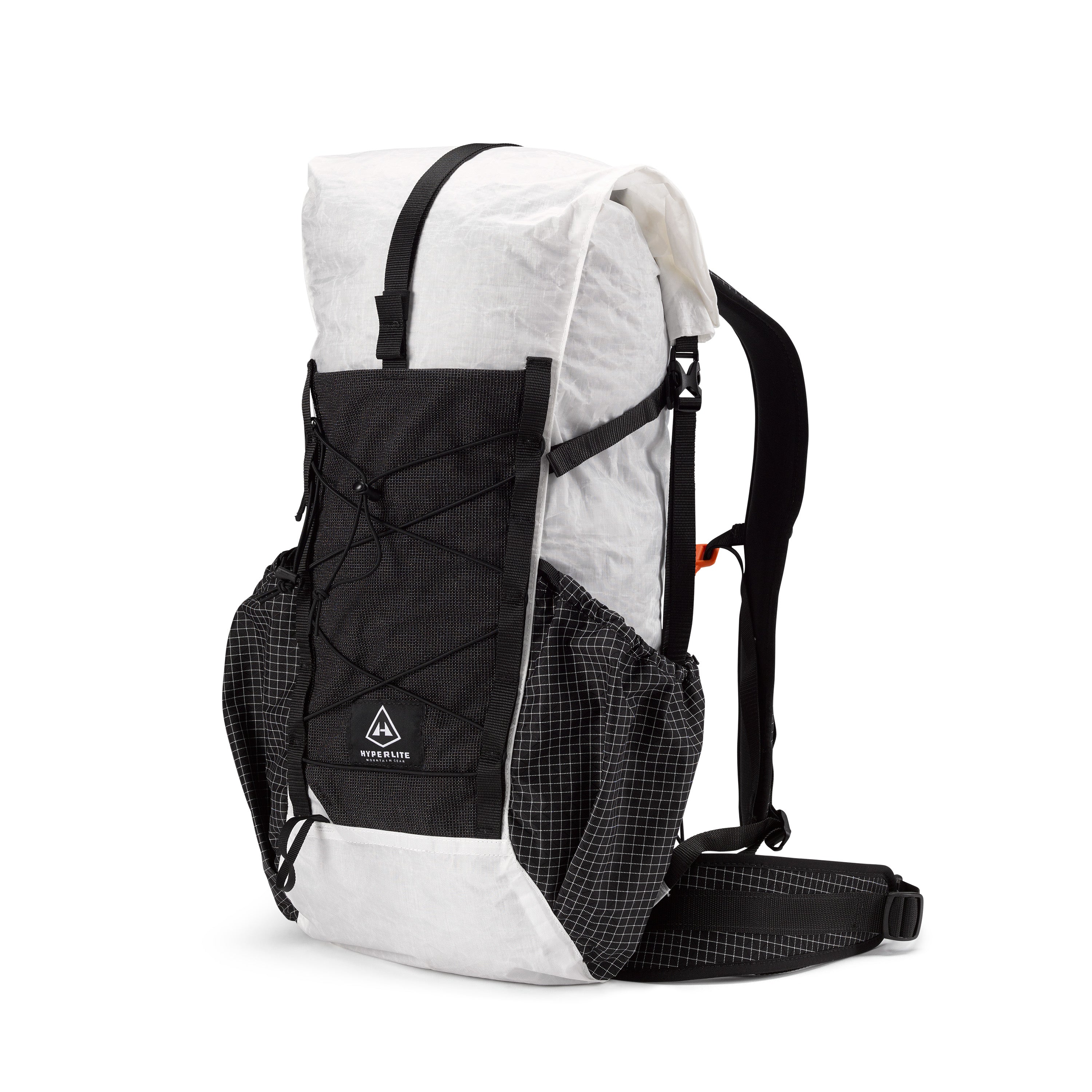
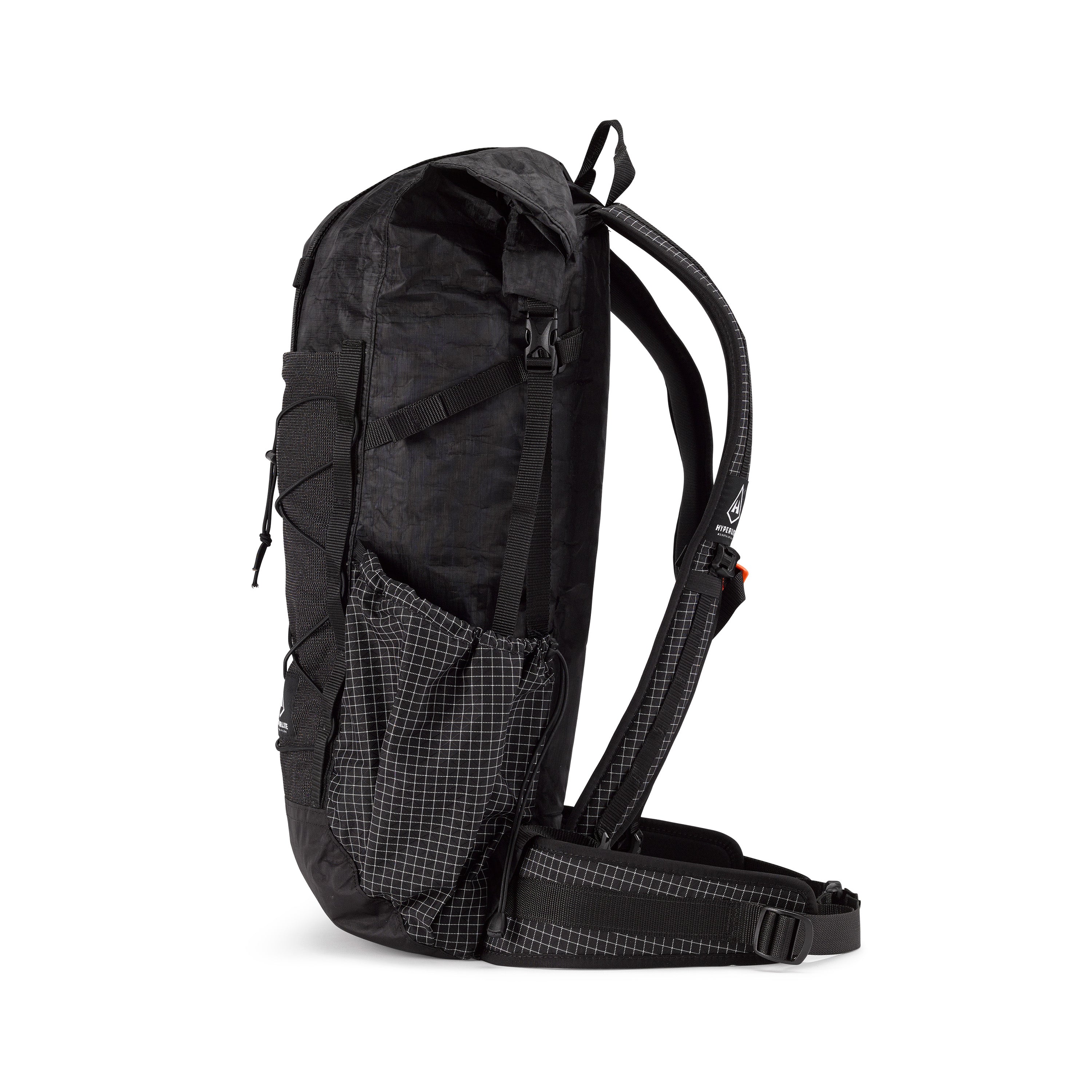
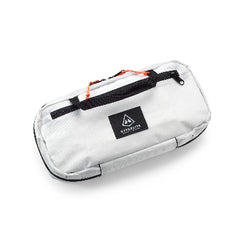
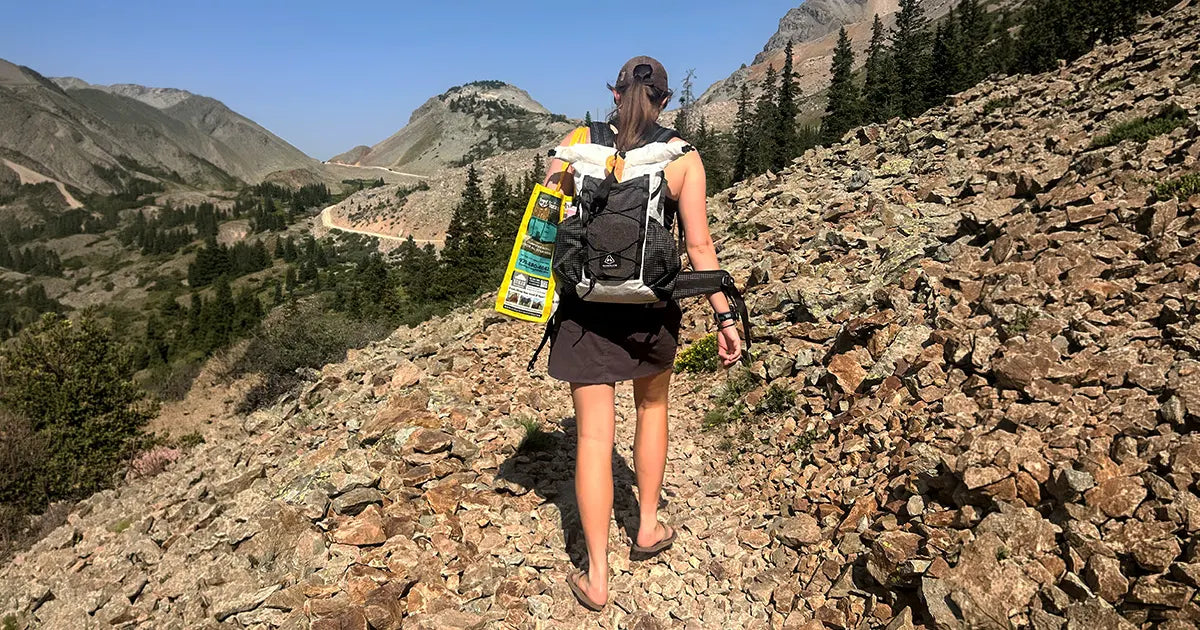
HMG has supported my work as a Hutkeeper in practical ways. I often use my Windrider 70 or Elevate 22 to haul food and supplies to and from the hut, switching between packs depending on the size of the load. Both have made the bike ride up from the bottom of the pass more manageable, and knowing my gear and supplies are protected from the weather gives me one less thing to worry about. Whether I'm carrying provisions for the hut or packing for a few hours on the trail, having dependable gear makes a difference in how I approach the day. I'm grateful to HMG for its continued support of my work and time in the mountains.

A SUMMER TO REMEMBER
Looking back, what stands out most about my summer at Opus isn't any single hike or meal, but the rhythm of life that took shape around them. Days were filled with early mornings, shared meals, small adventures, and the steady work of keeping the hut running. I was fortunate to spend the season alongside a wonderful crew of Hutkeepers, supported by a knowledgeable, kind, and generous boss and hut owner who helped make the everyday challenges rewarding.

Opus is a special place, but its remoteness is an essential part of the experience. Reaching the hut takes effort, and spending time here means adapting to the conditions, planning ahead, and accepting that the mountains set the terms. In summer, the trails and high basins offer room to explore. In the winter, the journey to the hut requires backcountry skiing through avalanche terrain and a different level of preparation and experience. The hut offers a place to rest, share a meal, and gather with others, but getting there requires effort, skill, and preparation.
For me, being a Hutkeeper meant finding a balance between responsibility and freedom, between the work of caring for a place and the privilege of exploring the landscape around it. I'm leaving the summer grateful for the people I worked alongside, the guests I cooked for, and the opportunity to call this remote corner of the San Juans home. I look forward to working this coming winter, although the commute and job itself will look a little different.