



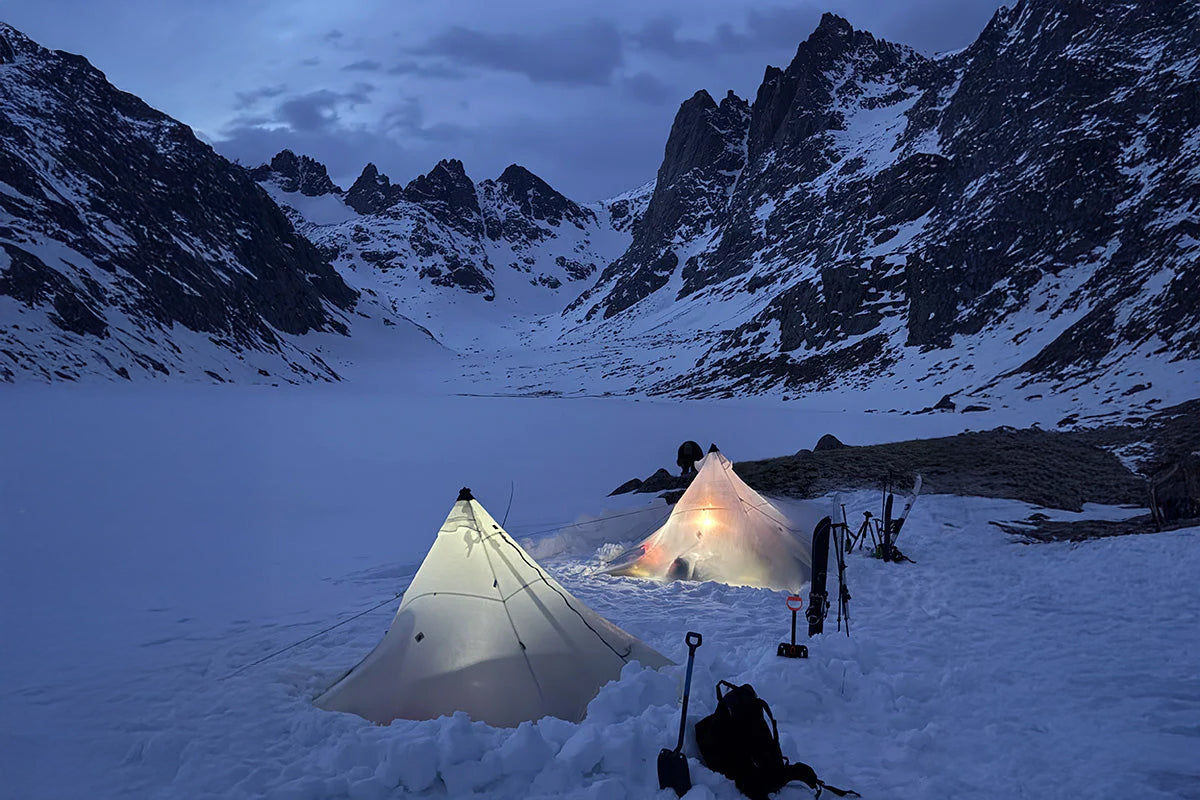
Words by Stratton Matteson @cascadeconnections. Photos by Stratton Matteson and Lucas Wachs @lucas.wachs
Over the years, I've spent hundreds of nights out camping in pursuit of wild, untouched snow in some of the most remote and pristine mountains in the American West. I have a deep passion for human-powered riding and wilderness travel. The intention of this article is to share some of the things I've learned along the way to make your next dream trip a little more seamless or to help you break into a new style of riding.
 BRING SPARE PARTS AND CHECK YOUR EQUIPMENT BEFORE HEADING OUT. ALWAYS PACK SPARE PARTS IN YOUR "OH SHIT!" KIT FOR WHEN IT HITS THE FAN
I have personally broken crucial equipment on trips and had to walk all the way out and back to grab replacement parts. Last season, on a five-day split-packing trip in the Eastern Sierra, I fully snapped the chassis of my splitboard bindings twelve miles in and one day in. I ended up hiking all the way back to the trailhead to grab a spare set of bindings I had in my car so as to not abandon the mission. This could have been prevented by performing a full examination of my touring setup before we departed, as I believe the crack was already developing.
On this same trip, a friend of mine blew out the heel piece of his alpine touring ski binding and had to finish the trip with a free heel. On another occasion in the Wind Rivers, WY, a ski partner broke his touring toe piece after completing a twenty-mile approach into camp. He spent the whole next day hiking out and back to grab a spare. That being said, he now always carries a spare toe piece when embarking on a multi-day ski trip to prevent this kind of headache, which could also turn into a potentially serious situation if one were deeper in the backcountry. What parts you choose to bring are a personal decision, but always think about which ones are the most critical to getting you in and out and are most likely to fail. Carrying zip ties, hose clamps, and extra hardware is also a good measure.
 BE INTENTIONAL ABOUT HOW YOU PACK YOUR BAG ON THE HIKE INTO YOUR FIRST CAMP. OR WHEN MOVING CAMPS AND YOUR BAG IS FULLY LOADED
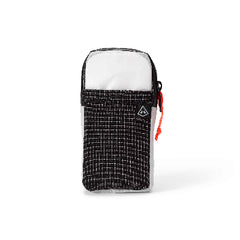
Make sure layers, snacks, water, and anything else you need are easily accessible for the hike in. When your bag is fully loaded, it can be hard to reach the contents of your pack. Think ahead to what you may need on your travels between camps. If traveling through avalanche terrain with your big bag, make sure that your rescue equipment is still easily accessible. I like to strap my hard shell coat to the top of the pack in case any weather blows in. Utilizing the hip strap pockets for quick snacks and multi-tools can make your approach more efficient. The phone case Shoulder Pocket accessory from Hyperlite that attaches to your shoulder strap is also a great addition to your kit for putting your phone or other small items you want easy access to.
 BRING THE RIGHT TOOLS FOR THE JOB AND FIND A BALANCE BETWEEN WEIGHT AND COMFORT
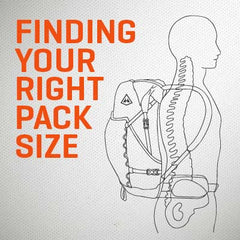
I like to choose which pack to use based on how long the trip is and what equipment I need for a given mission. Typically, if I pack strategically and reasonably, I can fit up to a week's worth of food and gear into a 55-liter pack. My go-to is the Headwall 55 for all ski mountaineering/splitboarding multi-day trips. Beyond five to seven days, I choose to bring an 85-liter pack like the Porter. 70-80 liters will usually be sufficient. I've never been a weight weenie, and I find I’d rather be comfortable and carry a little more weight than be uncomfortable. So, make sure you have plenty of layers to stay warm, and extra socks so your feet are dry and rash-free. Don't be afraid to carry some of your creature comforts. Although weight does translate to overall effort, I find being comfortable by staying warm and sleeping well leads to success and sustainable stoke on an extended ski trip. Finally, make sure to bring all the right tools for the given terrain and snow conditions. Do you need crampons, an ice axe, glacier rescue equipment, avalanche rescue gear, verts? Being prepared equals success and safety.
 PACK FOOD INTENTIONALLY AND DILIGENTLY
Food is our fuel and one of our main creature comforts in the backcountry. Being well-fed is crucial to maintaining energy and motivation on multi-day trips. I recommend pre-portioning out your food pack into each individual day to ensure that you have proper nourishment for your journey. I like to pack each day's food into its own pre-rationed Ziplock bag. This allows me to never overeat and end up short-handed later on. This also makes food packing more organized and easier to grab. Typically, on longer trips–especially beyond a few days-I start to eat more than expected. The effort and energy output start to compound. Even sleeping in the cold requires more calories to keep your body's normal functions running smoothly. So, in my opinion, don't skimp on food, find what works for you, and run with it. Although it can get repetitive, I’ve found a food pack that is sufficient enough, and I typically just repeat it for each day to limit headaches when shopping and to make sure I always have enough to be satiated.
 PLAN YOUR ROUTE
One final tip for a successful and smooth multi-day ski trip is to plan your trip ahead with a few key things in mind. One thing to think about is the style in which you're going to be traveling. Is this more of a base camp-style trip? Or a traverse, a point to point, or a loop?
Personally, I'm motivated by high-quality free-riding without a heavier pack while also moving through terrain and seeing different zones. When I set out for a traverse-style trip, I like to plan in a way that allows us time to have small base camps along a route, where we can dump gear and ride with light day bags. One way to do this is to alternate travel days and ride days. Even on travel days, you can still typically find a time to strategically dump gear or ride in the morning before you leave for your next camp or after you get camp set up in a new zone. This way, you're not riding all of your lines with a fifty-pound pack.
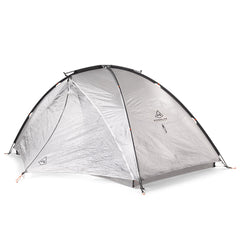
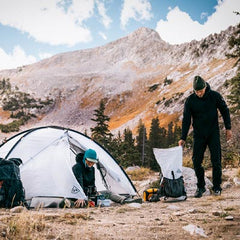
Also, plan your route according to the weather forecast. It's important to map out potential re-routes and back-up exits if you need to bail unexpectedly. Sometimes you need to be strategic about which days you plan to cross a high pass or camp in a zone based on the terrain features around you. For example, if you have to weather a storm, you might want to make sure you're camped lower in the cover of trees or at least out of a very exposed zone. Finally, with that in mind, make sure you set up your tent in a sheltered spot, planning for the worst-case-scenario weather. In high alpine environments, the weather can change in the blink of an eye and is often unforecasted. Just because it is sunny and calm doesn't mean your beach-like camp couldn't turn into a wind tunnel. Your future self will thank you for the foresight.
 There are lots of other tips and tricks to multi-day ski missions, but these are a few that stand out to me. I hope they help you thrive in the pursuit of adventure. The days are getting longer, and spring ski camping trips are right around the corner. So pack your bags, call your friends, and start dreaming!
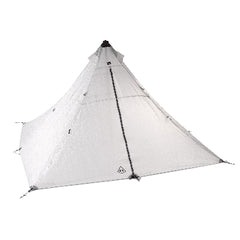
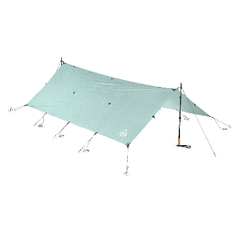
Featured shelters: UltaMid 2, UltaMid 4