



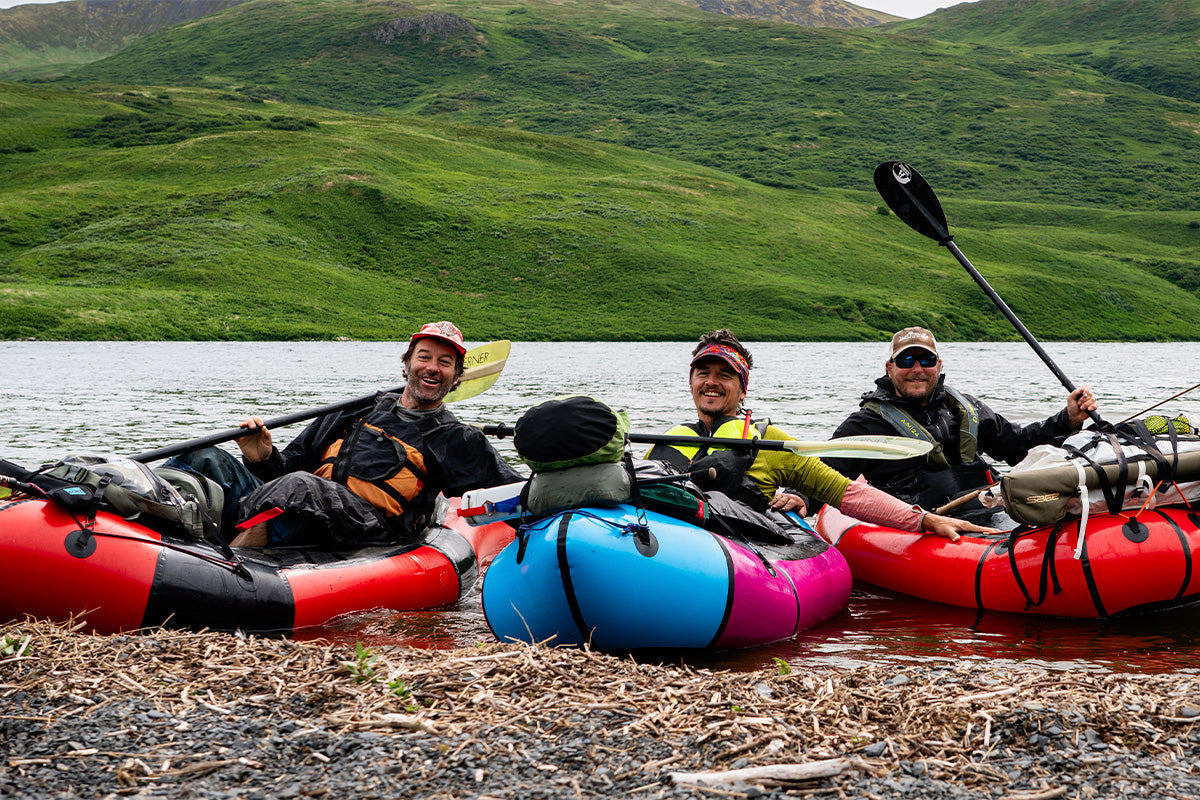
Quick Summary
Three old friends—Rick, Pancho, and Jimbo, now middle-aged, reunite for "The South End Glory Trip," a packrafting-and-fishing pilgrimage retracing the wild Alaskan waters where they bonded years earlier on remote fisheries jobs. The journey by plane, lake, river, bay, and coastline is full of gear nostalgia, berry gorging, beachcombing, and a joyful fishing session off a remote whale-hunting cape. Only afterward do they learn their camp had sat in the potential path of a tsunami from a massive Kamchatka earthquake—a wave that never arrived, leaving them laughing at danger they never even felt.
Words by Jimbo, Photos by Jimbo and Pancho, Many fish and incredible home base support by Rick
Quick Summary: Middle-aged men go packrafting and fish for dinner, the past, and glory.
 Rick, Pancho, and I met in the mid-2000s while working for Alaska Fish and Game. The work was a dream, pure and simple: we lived in remote places accessible only by float plane or boat and spent most of our waking hours surrounded by water, forest, and mountains. Fish were central to the work and to our existence: if we weren’t plucking scales or passing fish through a weir, maintaining a fish pass or barrier seine, or running a skiff up the narrows, we were catching fish. We smoked them, baked them, grilled them, fried them, froze them, ate them raw. The fish were sacred, and life during those summers was a monastic retreat in a vast wilderness church. We wore float coats, waders, rain gear, or drysuits and were just plain getting wet no matter what we did. We went for weeks without seeing other people, communicated with our boss through a side-band radio, and let the outside world recede like a negative tide.

 Twenty years later: I have recurring shoulder problems and just finished a colonoscopy; Pancho eats too much ice cream when he gets stressed out, and he gets stressed out too often; and Rick sports a funny beer belly and is shockingly pale during the long winters. Those years of freedom eventually ended, as all dreams do, and we went to school, got jobs, fell into relationships, bought houses, adopted pets, had kids, and life somehow got pretty complicated. But we always stayed close even when geographically distant, and the landscapes and the fish that cemented our friendships have always remained a ballast in our lives.
 For this expedition, Pancho had a vision, one he often spoke of in this dreamy and kind of hippy-dippy voice for years before our timing aligned to actually do the trip: a pilgrimage by foot and packraft that would link together many of the major camps where we spent those formative years. He called his envisioning, The South End Glory Trip.
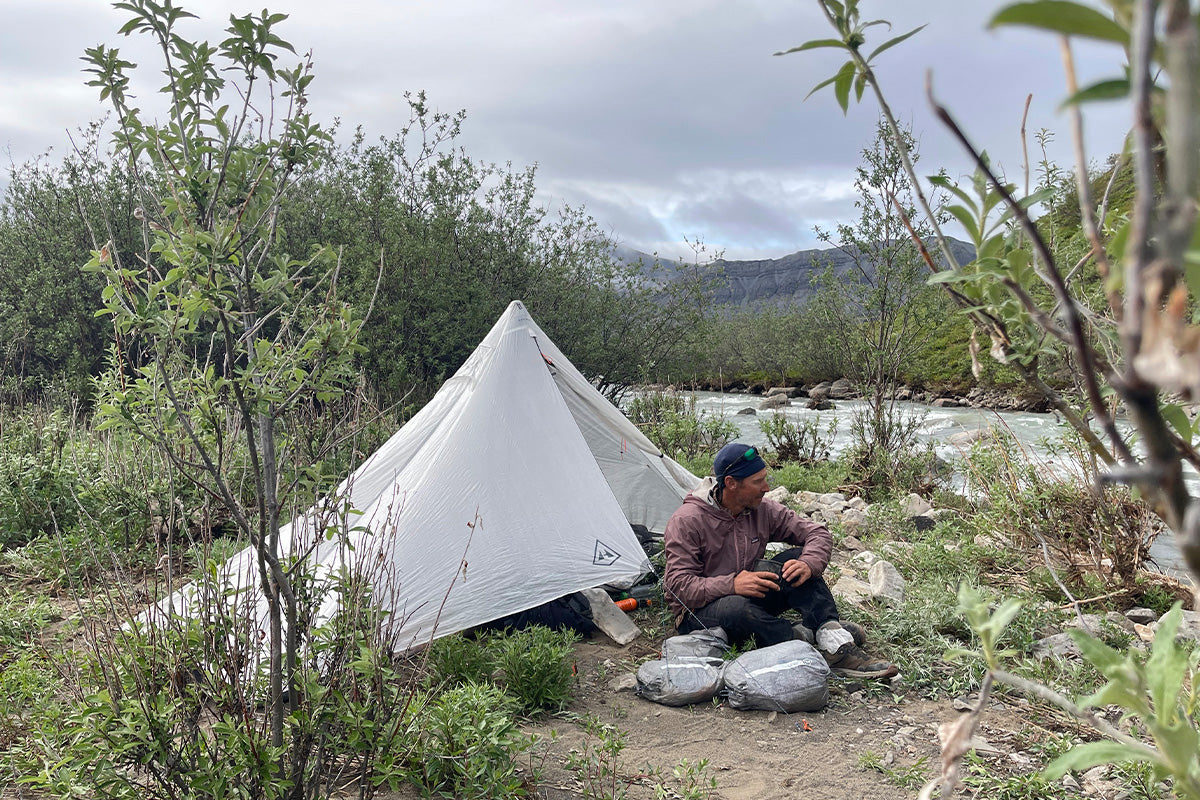
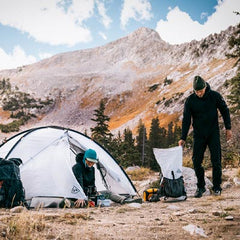
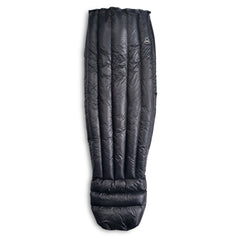
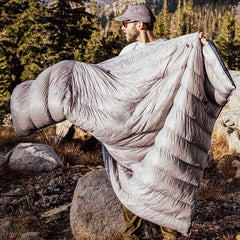
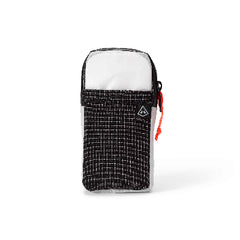
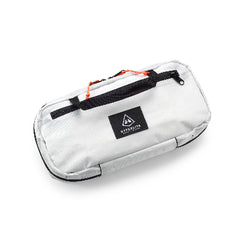
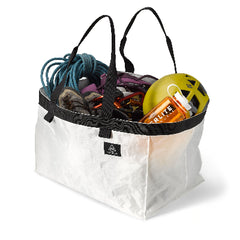
 Back in that era, we used to carry these ridiculously heavy 20,000-denier backpacks full of bulky, often soaked camping gear. Now, well into middle age and having left our youthful strength and striking beauty behind, we’ve matured into a new mode of wilderness travel. We jettisoned our old, unwieldy crap in favor of joyfully functional, lightweight modern equipment from outfits such as, ahem, Hyperlite Mountain Gear. Now when we go on expeditions, we find ourselves lugging around… well: ridiculously heavy backpacks! But our packs are now half-full with smart camping gear, and we have added boats, paddles, PFDs, fishing rods, fillet knives, crab rings, a frying pan, a mirrorless camera, and more.

The South End Glory Trip proved to be a delightful romp through the epic landscapes of our 20s; in ways it was a trip previously beyond the reach of our former physical selves, and it was certainly far too much to be grasped by our feeble juvenile brains.
The trip took us through the air in a DeHavilland Beaver, across a long lake, down an bowing river that funneled into a frothy canyon, across a saltwater bay, over an alpine mountain ridge, into a series of lakes and shallow connecting streams, back into the bay (until it got too windy), along the cobbled and seal-laden bay shore, across a spit of grassy land, and down an exposed ocean coast and around a spectacular cape. Along the way, we passed through our old stomping waters, joked around and told stories, and thought about who we were, then and now. We did it all in fine style with maximal faffing around.


Rick had fatherly duties to attend to and flew out partway through the trip. It was hard to say whether we missed his company or fishing prowess more.

 Backcountry camping food has evolved much as the gear has. Now, a savvy wilderness traveler has a plethora of exorbitantly expensive freeze-dried meal options to choose from. These meals are calorie-dense and nutritious and might even be tasty. I wouldn’t know. We opted for a giant jug of vegetable oil and ghee packets, and we caught fish every night and fried them up for dinner.


 We also gorged ourselves on berries–it was a banner year. Our faces and hands were smeared with red. Our shit, though perhaps less in volume, was nearly indistinguishable from that of the bears.


 The only bummer in our diet was the lack of crab. Not all dreams come true. Despite his best efforts, Pancho’s ultralight crab rings and snares failed to recreate his fantasies or fill our bellies.
 Besides the bounty from the sea and river, we endlessly amused ourselves with detritus washed up on shore. Much of this proved absolutely critical to carry with us for multiple days: a plastic bat, bags and bags of pretty rocks, and a giant buoy for Pancho’s future buoy swing. We skipped the whale pelvis though.

 “If you had told me we’d be fishing off the cape, I’d have told you never in a million years.” - Pancho
The highlight of our route would take us around an exposed cape where Native whale hunters used to harpoon their quarry. We planned a two-day walk along a steep rocky beach that was under constant barrage from breakers. When we first laid eyes on the beach, we confirmed our plan–lines of waves crashed on the shore as we watched the sun set. But the next morning, after packing up and setting out on foot, the swell died down to almost nothing. We discussed the potential for getting stuck out or having to make a rough beach landing if it picked back up but decided to go for it. For the next two days we paddled in idyllic conditions–blue skies, a gentle swell, and a light tailwind pushed us down the coast. Big grins were plastered on our faces as we reached the cape and began fishing for dinner. The sea became glassy, and mesmerizing textures appeared on the water. That evening, we fished far out from the cape and pulled up some monsters from the deep, giggling and pinching ourselves at our good fortune–this was unheard of! This was the GLORY!


 Meanwhile, on the other side of the globe, a megathrust earthquake struck Kamchatka, Russia, tying for the 6th-largest in recorded history with a magnitude of 8.8. A media frenzy ensued, with tsunami alerts blasting out through national news outlets like “The New York Times”. “CNN”, “MSN” and others. Warnings of tidal waves reaching Alaska and the continental US quickly spread to friends and family who knew of our trip.

Back in AK, we had the best day yet of an already fantastic trip, blissfully unaware of the happenings out in the wide world and enjoying the stunning locale and conditions–including a giant whale carcass washed up on the beach and glowing in the sunset like some kind of alien space buoy.

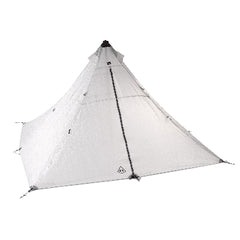
After milking the last daylight from the sky, cooking flounder at our customary 1:00 AM dinner hour, and getting tucked into the mid for the night, Pancho checked his invasive GPS messenger device, a Garmin inReachAround. It blew up with messages!
 Apparently, we had just spent the evening in perhaps one of the worst conceivable places for a tsunami to hit–an exposed cape with little high ground and a shallow shelf extending miles out in most directions. Had we received the InReachAround messages earlier in the day, we would have faced a slapdash journey of over two miles to reach higher ground. As it was, the supposed 9-foot wave would have reached us hours ago. We laughed and laughed and laughed! The normally rough waters around the cape could not have been gentler. The episode served to illustrate for us once again that satellite communication in the name of “peace of mind” often has the opposite of its intended effect and instead exacerbates situations in which loved ones back home are bound with worry over events they are utterly powerless to do anything about.
 The next day, spending a delightful layover on the cape before we lazily paddled to our pickup location and the end of our trip, we imagined our deaths by tsunami: the water sucking out; our packrafts going dry on the ocean floor. A glimpse of flounders and kelp greenling gasping before a looming horizon line. The quick realization that there would be no outrunning the wave as it came–we would have to surf it. The terror of seeing the raw power of nature overtaking us, the certainty of death, and then the reduction of our world to the most immediate and basic instinct.
 Can you picture a more glorious and beautiful way to die than by being sucked into a Russian tsunami in dorky-looking packrafts with your closest friends?

 I can’t.