







Quick Summary
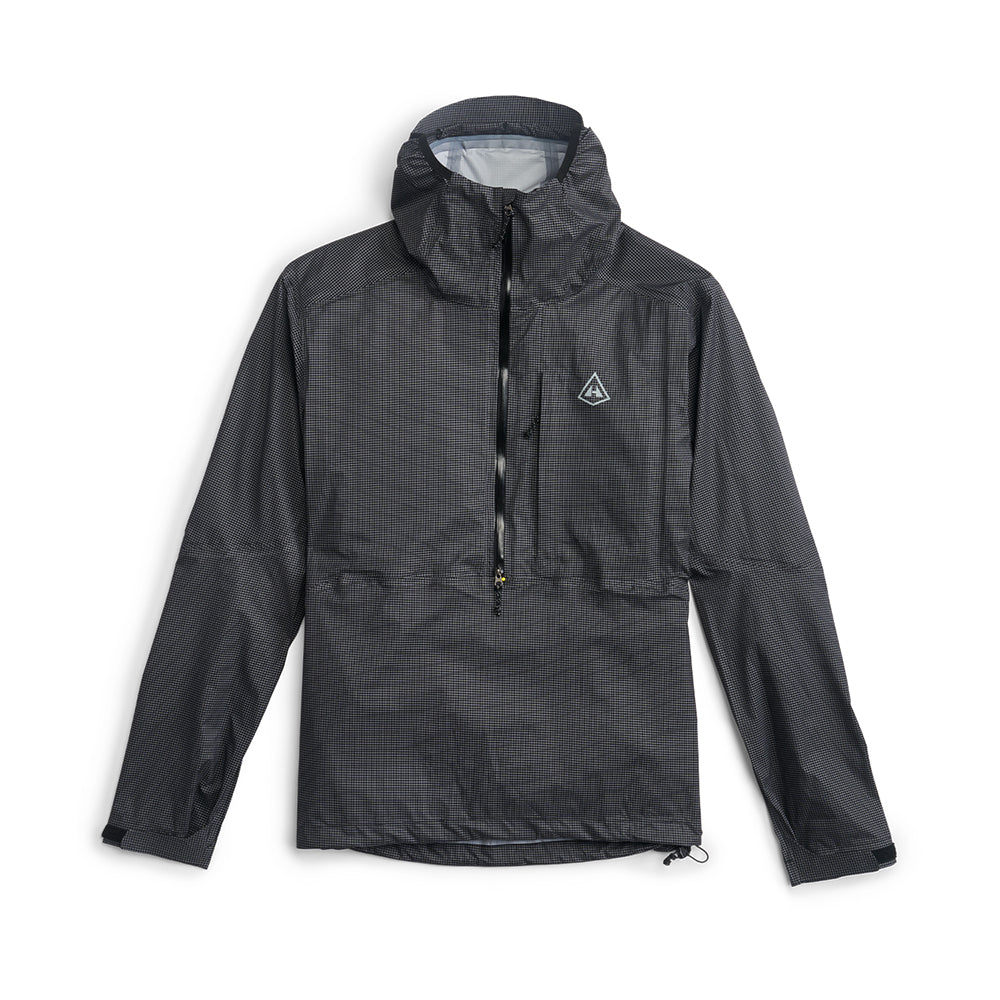
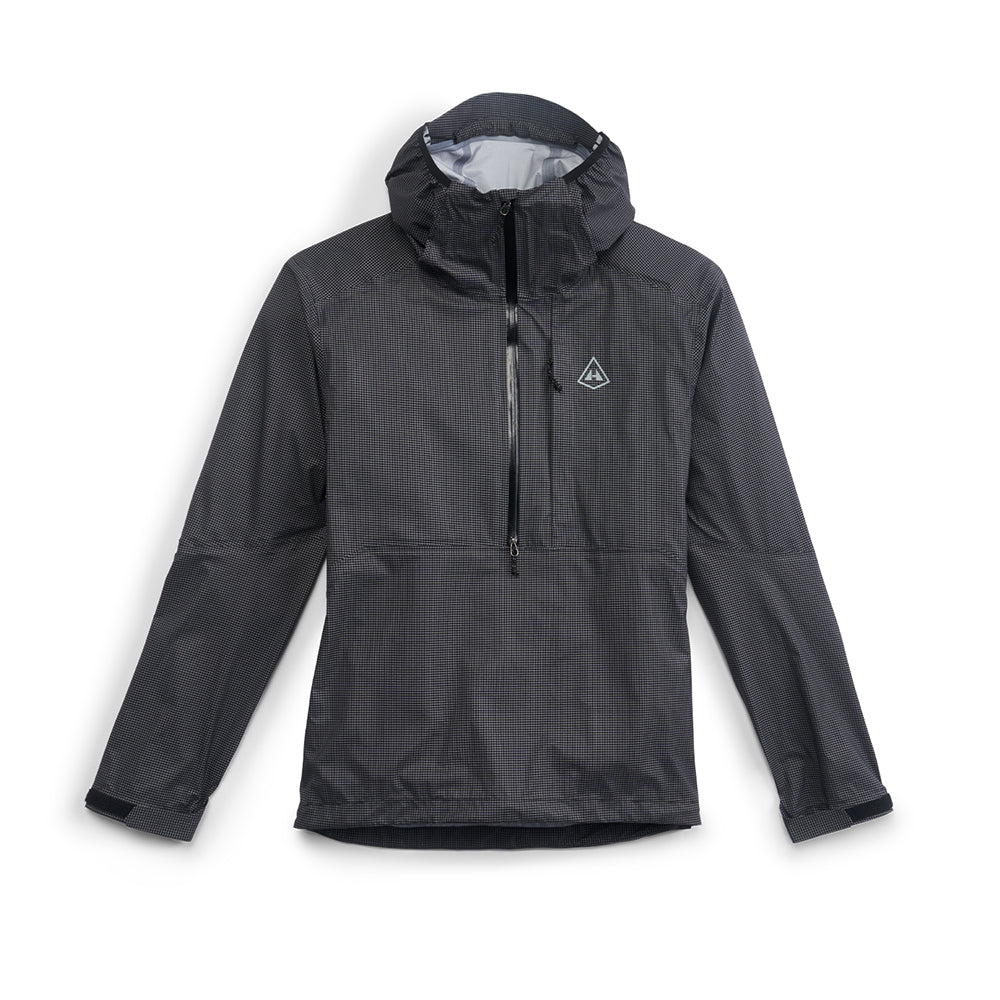
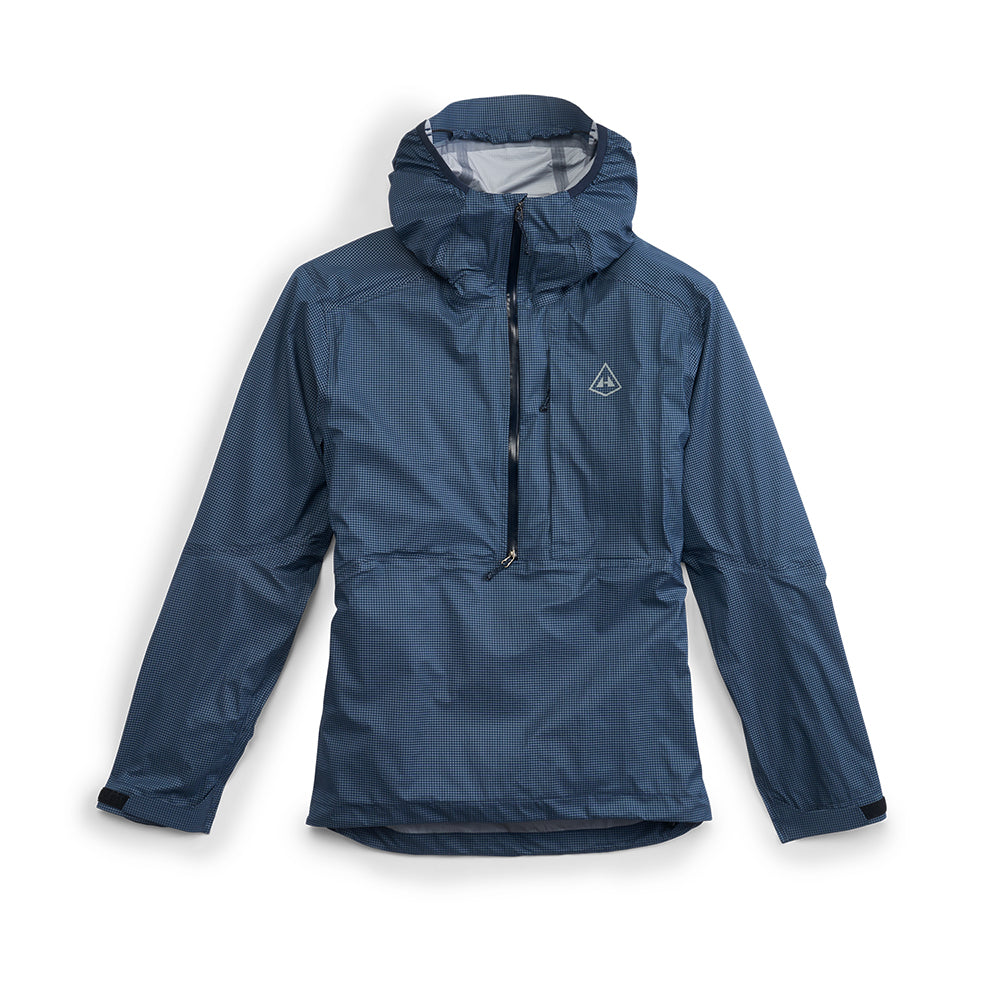
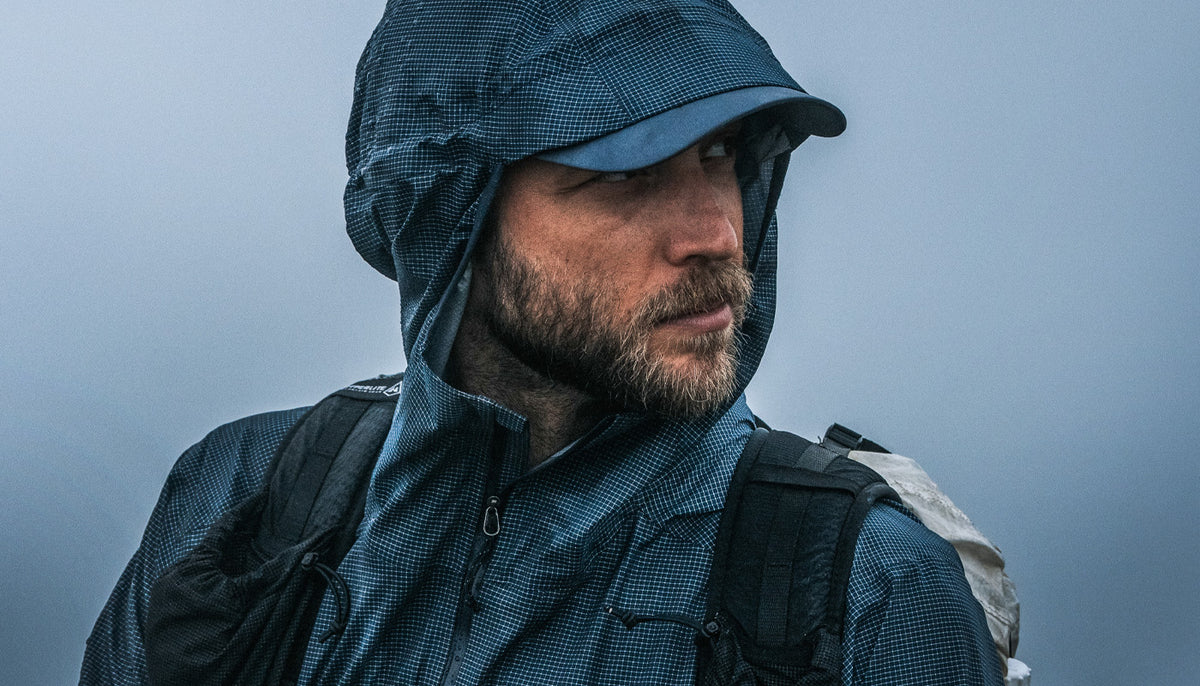
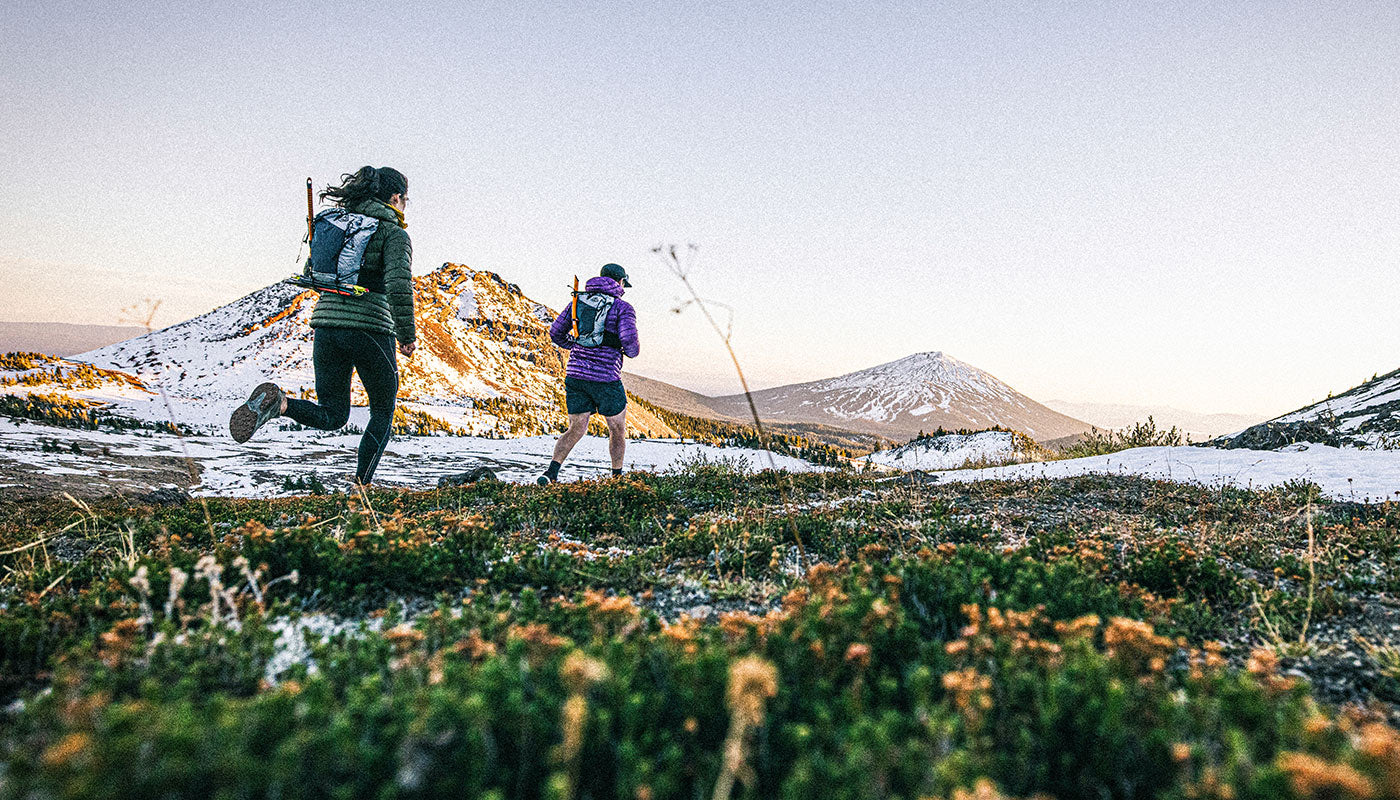
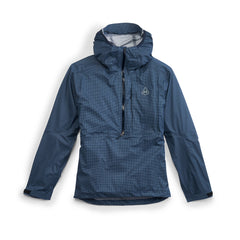
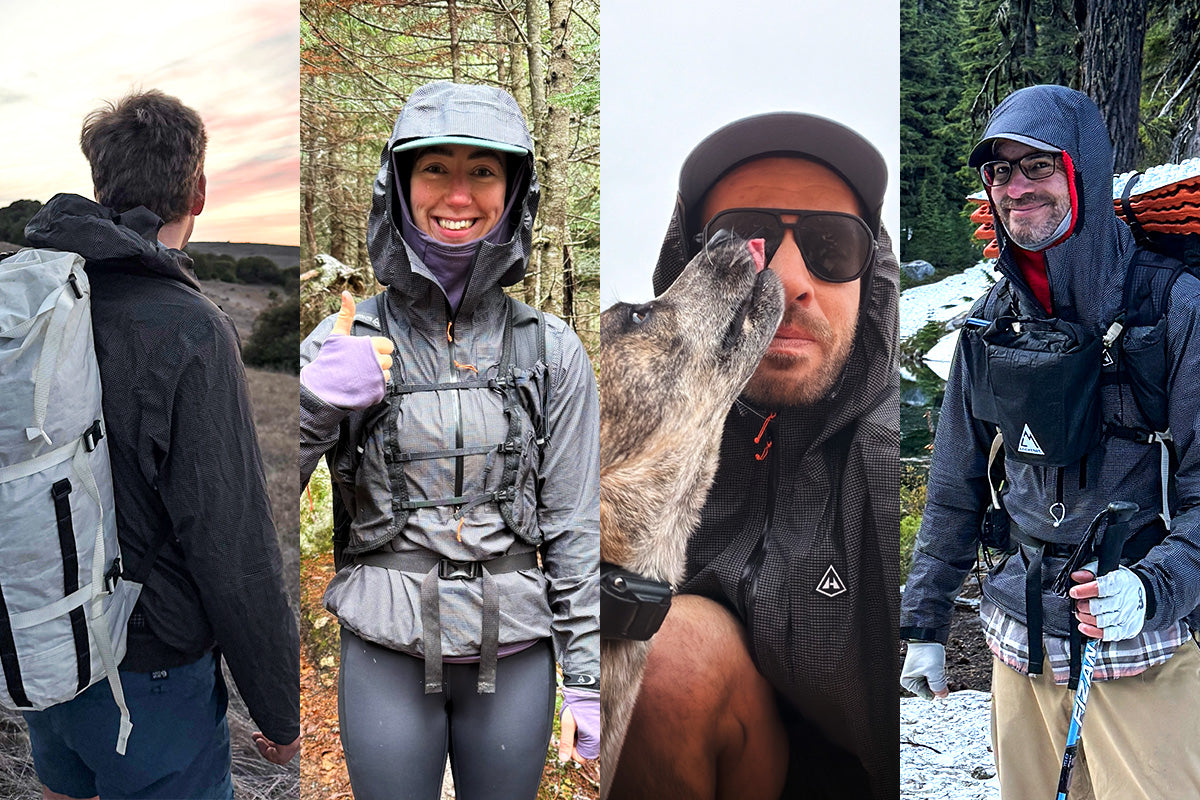
Hyperlite Mountain Gear handed prototypes of its new Gridline Anorak to four trusted testers, including a thru hiker and ultrarunner, an off-trail route designer, a NOLS instructor, and a bikepacking, packrafting Arctic adventurer, who put the shell through more than a year of use everywhere from the Beartooth Plateau and Olympic rainforest to a 5,000-mile cross-continent ride and -30°F ski days on Alaska’s North Slope. Across the board, they praised its balance of light weight, durability, and weather protection, along with the pullover design and generous venting. Their feedback on every detail shaped later prototypes, landing us on a final design we're stoked to release to our fellow adventurers.
Words by Bridget Williams, Scott Nechemias, Jeremy Cronon, and Caleb McDaniels
Just like it goes with every product we make, we reach out to our trusted legion of testers to put whatever we’re working on through the wringer until it achieves the optimal balance of weight, durability, and weather-resistance. Only then do we turn the pack, tent, sleep kit, accessory, or, in this case, outer shell loose on the adventurous public. We were especially keen to see how our prototype Gridline Anoraks would do with this crew of outdoorsy rabblerousers, and their input helped us–and you–get a new way to take cover and carry on when the skies open.

NAME: Bridget Williams
OCCUPATION(S)/INCLINATION(S): Creative Manager | Thru Hiker | UltraRunner
TESTING PHASE: One year; I received the sample in Fall 2025
TESTING LOCATION(S): Mountains in ME, NH, VT, AZ, CA
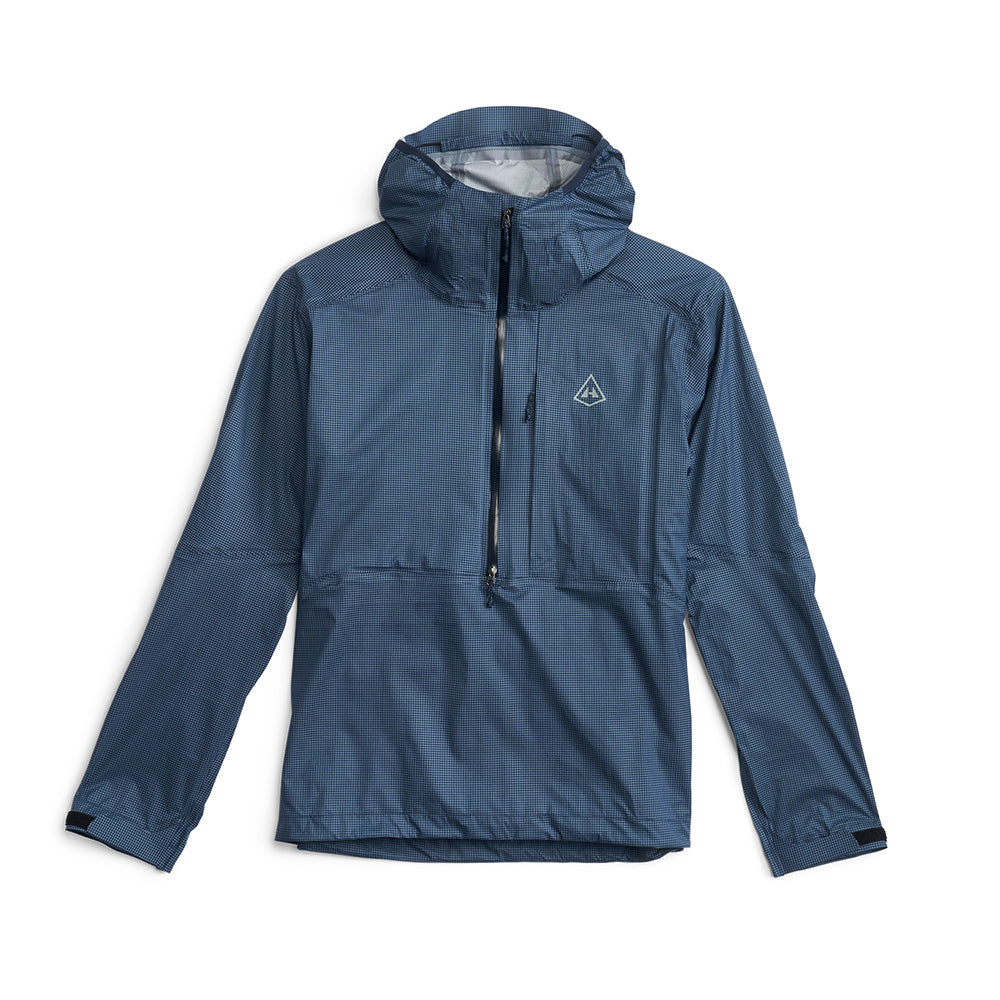
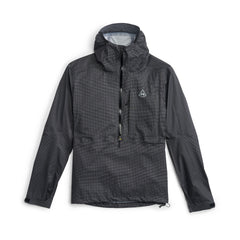
YOUR TEST PERIOD SUMMARY: I'm a fan of the minimalist anorak pullover style, so I was sold on the look right away. I also advocated for keeping the same color options for both women and men because it drives me crazy when brands create gender-specific colors, especially when women's options default to teal and pink.
The fit of this early version worked well for me and left plenty of room for layering underneath, including a long sleeve and an Alpha 90 pullover. As someone who tends to overheat as soon as I start moving, I really appreciate having multiple venting options. The pit zips and two-way front zipper are huge wins for me. Spending time in both rainy conditions and some shoulder-season weather also gave me a good opportunity to test the jacket in the elements.
 NAME: Scott Nechemias
OCCUPATION / INCLINATION: Dog trainer who sleeps outside whenever possible with an uncontrollable urge to see what is between the lines marked on trail maps. I haven't taken a trip without a cross country element in years, and design off trail routes in the Rocky Mountain West, Cascades, High Desert, and Southwest. I'm pretty good at shredding gear while plowing through catclaw and slide alder.
TESTING PHASE: I got my first Gridline prototype in July of 2025
TESTING LOCATIONS: Diamond Peak Wilderness in Oregon. I've since used it in the Mt Adams Wilderness, Goat Rocks Wilderness, all over the Beartooth Plateau, the Superstition Wilderness, the Olympics, Oregon High Desert, the Oregon Coast, Aravaipa Wilderness, Gila River Canyons, the Dark Divide, Alpine Lakes Wilderness, Mt Margaret Backcountry, Glacier Peak Wilderness, and a few places I can't remember. Over the last 15 months it's been my primary shell for around 150 hiking days.
TEST PERIOD SUMMARY: I've been very impressed with the combination of durability and performance the Gridline offers. The high performing shells I've had in the past haven't been anywhere near as durable, which can be frustrating given the cost of a good breathable shell. The Gridline has gone through everything I've thrown at it with nary a snag, all the while keeping me dry in storms at 12,000 feet on the Beartooth Plateau to the dense wet of the Olympic rainforest vegetation. Most of all, I love the fit. I'm a big fan of anoraks / pullovers, they make for simpler and lighter jackets, and the mechanical venting of the pit zips and center zip are generous enough to minimize pulling the shell on and off constantly. The main things I gave feedback on were little fit and finish things, like the cut of the hood, cuff cinches, zipper pulls, pocket location. My second proto made subtle refinements in all these areas, with a slightly more generous cut for layering.
 NAME: Jeremy Cronon
OCCUPATION / INCLINATION: NOLS field instructor, Partnerships Director, and Lightweight Program Lead. After nearly a decade of outdoor field work, more of my time now goes toward industry partnerships, from scholarships and equipment design to marketing and storytelling. Less backcountry time has shifted my focus from long stretches of time to covering longer distances in shorter windows. That usually means fastpacking, trail running, and lightweight backpacking–ideally somewhere in the Winds.
TESTING PHASE: I received my first Gridline prototype in July 2025 and immediately took it on a two-week NOLS backpacking course in the Wind River Range. I later tested a revised prototype with improved fit. I’ve also tried on the production model, though I haven’t used that version in the field.
TESTING LOCATIONS: Primarily Rocky Mountain environments, including the Wind River Range and the Wasatch around Salt Lake City. Testing included a two-week expedition and numerous day and overnight fastpacking trips, generally with packs under 25 pounds or running vests. After the initial prototype proved too snug for my layering needs, my partner also put it to use, including a full day sitting in the rain at a Nordic skiing event in Lake Placid.
TEST PERIOD SUMMARY: What stood out most was the balance of protection, weight, and ventilation. It isn’t the lightest rain jacket available, but I’m usually moving through rain rather than sitting in it, and the Gridline worked well for that. The lightweight fabric, generous pit zips, and two-way front zipper helped it bridge the space between a wind shirt and a rain shell. That’s useful in the Rocky Mountain West, where a day can move between cool wind, afternoon showers, a brief downpour, and mosquitoes. I appreciated being able to keep some protection on without immediately wanting to take it off again–and to just have one piece to reach for rather than making a decision each time!
The feature set also felt thoughtful for its weight class. There’s still a pocket and the venting gives you good options while moving (which decreases stops and starts on longer days). The prototypes I used had different-colored pulls on the front zipper, which helped distinguish the upper and lower sliders with a quick glance. I dig the anorak style: pulling a layer over my head feels natural, and I rarely want to hike with a rain jacket completely unzipped anyway. The hood felt appropriately sized for my use case. I’ll always advocate for slightly larger gauge zippers. End of story. That said, I ended up not using the zippers that much, often leaving the front partially open and the pit zips open during movement... especially when rocking a supplementary umbrella.
No issues on durability yet. I haven’t noticed substantial wear inside or outside the shoulders from carrying a pack. Off-trail travel included deadfall, bushwhacking, and wet granite boulder fields, including a few slips/slides, without major tears or noticeable abrasion. Some early seam durability issues were a function of construction technique and were addressed in later prototypes.
Most of my development feedback focused on fit and how the shell works within a layering system. The first prototype was too snug for me to layer comfortably underneath, and the second improved things but still needed more room. Through those conversations, the fit evolved toward accommodating insulation without asking users to size up: more forearm room, more space through the chest and shoulders, and additional length to maintain coverage over layers. Having tried the production model, I think they nailed the fit. It’s been fun to see Hyperlite return to apparel, and to help refine a shell around how it actually gets used.
 NAME: Caleb McDaniels
OCCUPATION(S)/INCLINATION(S): Field based Science and Adventure. Packrafting, hiking, and skiing in the north.
TESTING PHASE: November 2025 onwards.
TESTING LOCATION(S): Maine to Florida to California via bicycle, Baja by sea kayak, and South-Central and the North Slope Alaska on skis.
YOUR TEST PERIOD SUMMARY: I’ve worn the Gridline across a range of conditions and activities. From cycling through torrential rains to skiing at -30, this shell has kept me warm and dry.
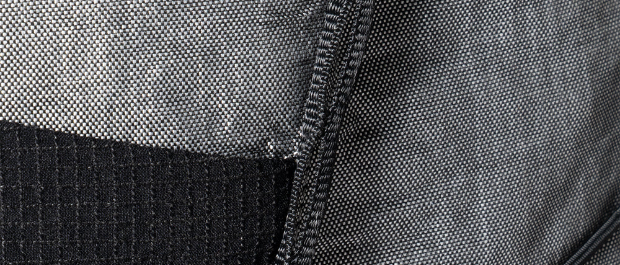
The fabric finds a great balance between weight and waterproofness. It’s pretty amazing to see this featherlight jacket match the performance of other shells that weigh much more. For 5000 miles of cross-continent cycling last November and December, this was my only rain (and snow) protection. During one particularly cold, wet day riding through Louisiana, three inches of rain fell in a few hours at 45°F. The Gridline kept me dry throughout. The breathability, aided by the pit zips, is also top notch. I run hot and started that long ride with a windbreaker since I get too sweaty in most rain shells. A week into the ride, I ditched the windbreaker. The Gridline with pit zips open breathed just as well.
Skiing on the north slope of Alaska last March and April, I frequently turned to the Gridline. It excelled as an outer layer on calmer days in the -10 to -30°F range when my full weight parka was overkill. The waist cinch is a great feature—it’s easy to adjust with thick gloves on and it keeps drafts and snow out.