



Words and photos by Kurt Refsnider @kurt.refsnider
 After years of development, the nearly-5,000-mile-long Orogenesis mountain bike trail, stretching from Canada to the southern tip of Baja, was ready for its first test riders in the summer of 2025. I had been following the development of the singletrack-heavy portion of the route through the U.S. for years, and I'd wanted to ride the Baja Divide bikepacking route since it was put together a decade ago. It didn't take much deliberation to volunteer to be the guinea pig to link together the full length of Orogenesis, but completing it sure took a heck of a lot of effort!
I departed the Canadian border in early August, hit California in early September, crossed the Mexico border in early November, and reached San Jose del Cabo in mid-December: 4.5 months out, 4,700 miles, 498,000 feet of vert, and so much fun along the way. Best of all, the route really is 99% ready for release after all the work the Orogenesis Collective and its dedicated crew of volunteers have put in over the past 8 years. With just a few tweaks and adjustments, it'll be ready for the masses.
 What does one carry for a shelter on a journey this long? I always agonize over shelter choice ahead of long bikepacking trips. Unlike hiking, when one is carrying a pack with ample room for gear, singletrack-focused bikepacking setups are volume-limited, especially for smaller riders. For the U.S. part of Orogenesis, roughly half of which is on singletrack, I opted for a full-suspension rig (the Pivot Trailcat SL) with my usual setup of relatively small bikepacking bags and a 20L backpack. Where's the shelter live in that setup? That's the eternal question for me -- where can I squeeze it in without sacrificing too much food or water storage space?
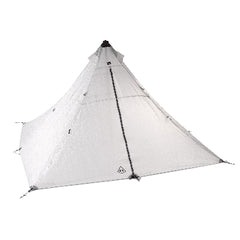
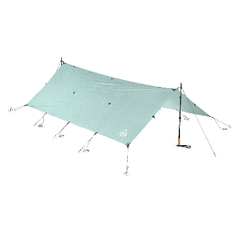
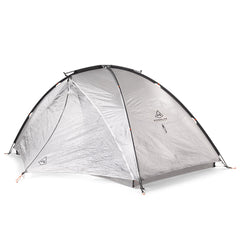
For Orogenesis, I opted for a 3-shelter approach, something I can't say I've ever done before. I started off with a Mid 1 for the damp, buggy Pacific Northwest, switched to a well-used Flat Tarp for California, and then to a CrossPeak 2 when my partner Claire joined up for the final third of the route down Baja. Why did I take that approach? Read on.
 Washington and Oregon
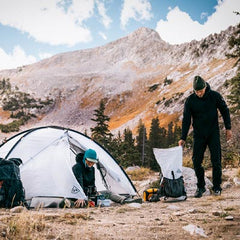
I've regretfully spent very little time in these two states, but I had the perception that Washington tends to be wet and Oregon tends to have an abundance of mosquitoes. I know neither of those characteristics probably applies to most of either state, but suggestions from folks I know who have traveled through the corridor I'd be in certainly made it sound like I'd be very happy to have a fully enclosed tent. I haven't owned a single-person tent since high school, a shelter that was downright primitive compared to Hyperlite's Mid 1. This tent packs down small enough that it easily slid into my Revelate Designs Terrepin 8L seat bag, along with my rain gear and some food; the pole lived in my small backpack, and six stakes in my frame bag.
 I'm normally one to cowboy camp whenever the opportunity arises, but I found myself loving the little cocoon of the Mid 1 so much that I pitched it nearly every single night. And becoming a rather lazy individual as soon as I reach camp, the fact that I set up the Mid 1 so frequently highlights how little effort it requires to pitch. On most nights, there wasn't a single mosquito to be seen, but curious ants were prolific, and dew was thick and frequent even on the drier east side of Washington's Cascades. A full tent sure was the right way to go.
 California
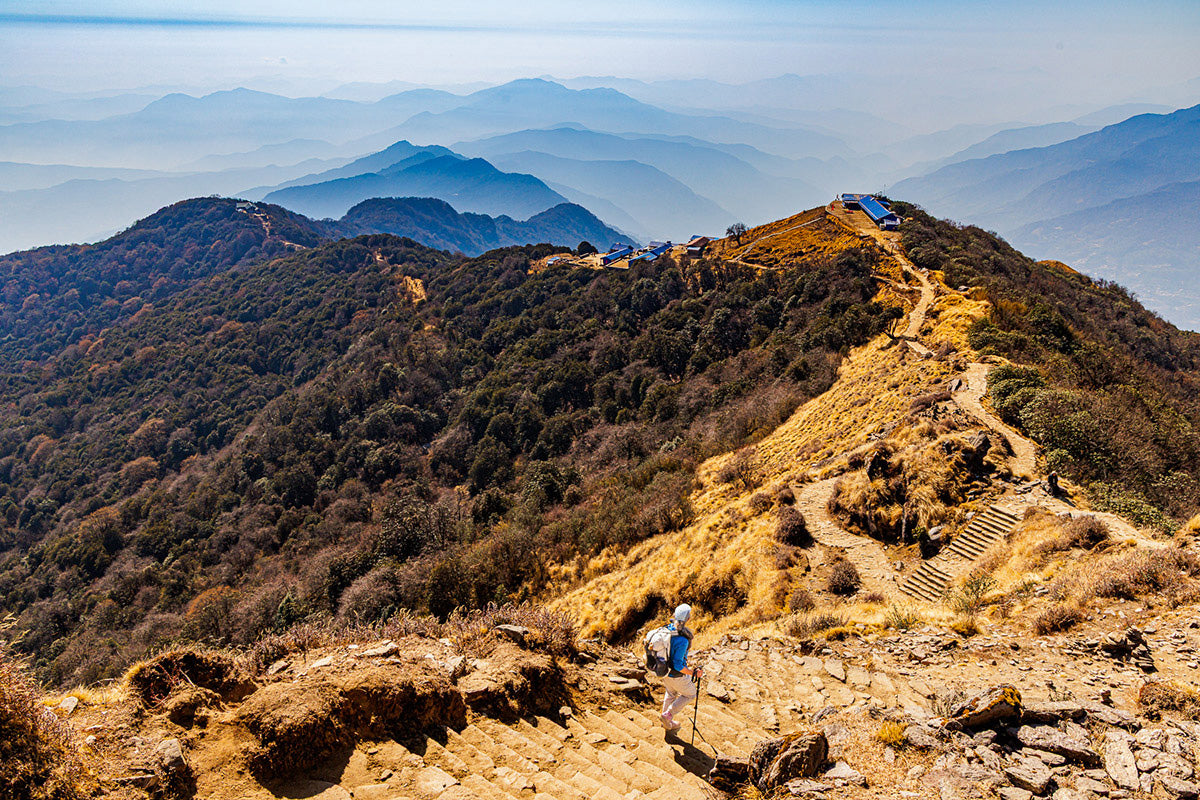
By the time I reached California, it was autumn, and I was gleefully chasing colorful pockets of golden aspen in the higher terrain. Nights were brisk, mosquitoes had vanished, and summer storms gave way to blue skies day after day. The heat of summer had thankfully passed, but I still had to deal with some long, dry sections without water and 4-day stretches in between resupplies. In order to maximize my bike's limited cargo capacity, I traded out my beloved Mid 1 for a much more compact Flat Tarp. I'm able to pack it sandwiched in between my Revelate Designs Pronghorn handlebar harness and drybag, so the tarp doesn't take up any precious space in my bike's bags.
 I carried this exact same tarp for the entirety of my 3-month Continental Divide Trail ride a couple of years ago, as well as on a dozen or more trips since then. The only signs of wear were a few small holes from abrasion when I had carelessly packed the tarp in panniers next to sharp gear on days filled with washboarded roads - never a wise idea. Before Orogenesis, I repaired those holes with the little Dyneema Repair Kit patches, and the tarp was as good as new once again.
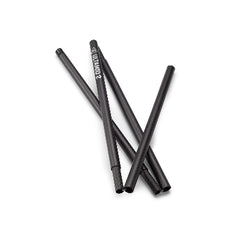
 I packed 8 stakes and a single small carbon fiber pole for the tarp; I can nearly always find a tree, stick, or fencepost to hold up the second end of the tarp, and if not, my bike's handlebars can serve the same purpose.
 In the end, the tarp really just got a free ride down the length of California -- I think I only set it up three nights when it seemed like dew would be particularly heavy and on a single rainy night.
Baja
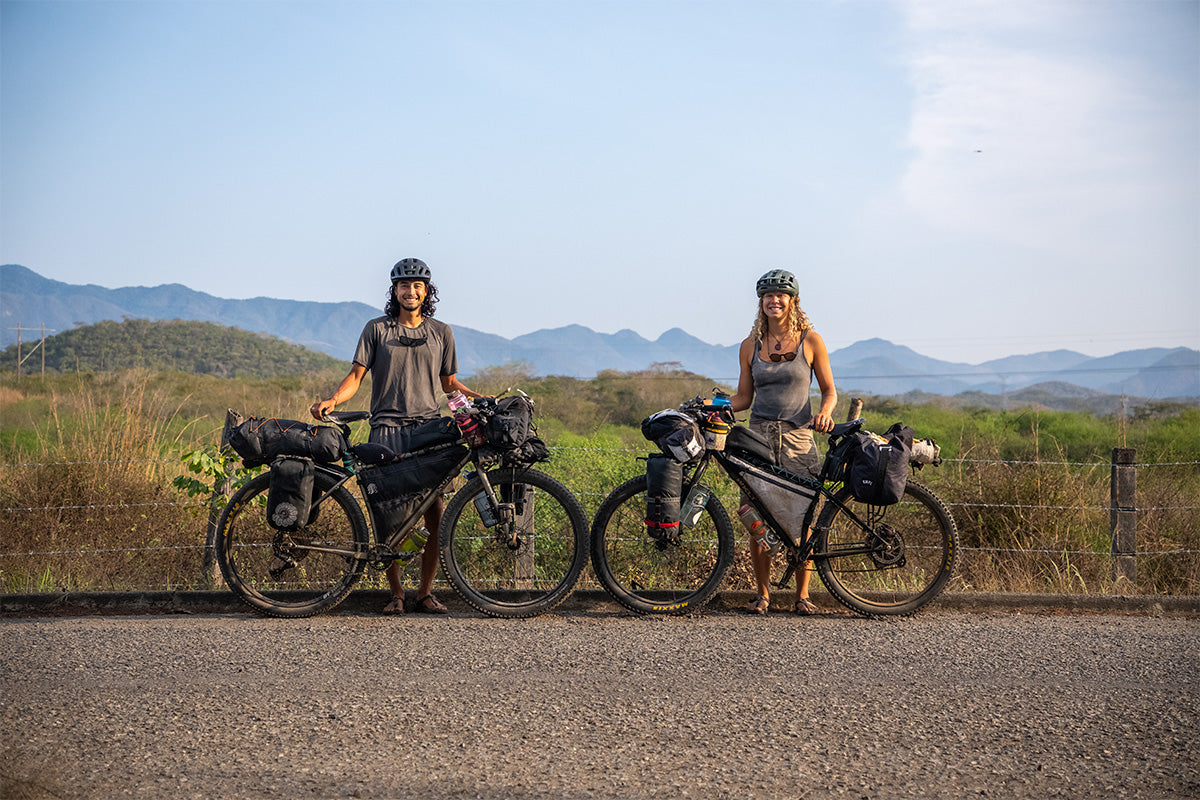
Upon crossing the dusty international border into Mexico, everything about the journey was different. In fact, it felt like an entirely new adventure was beginning immediately following the conclusion of the prior adventure across the U.S. I switched bikes from a full-sus rig to a drop-bar mountain bike for more cargo capacity (carrying 7+ L of water became the norm in Baja!), my solo travel ended as my partner Claire joined, singletrack gave way to rough dirt roads, and of course, there was the abrupt transition in language and culture.
 Six weeks down, Baja in November and December were likely to be dry and relatively warm, and the route hops back and forth between the cooler and damper Pacific coast and the drier coastline of the Sea of Cortez.

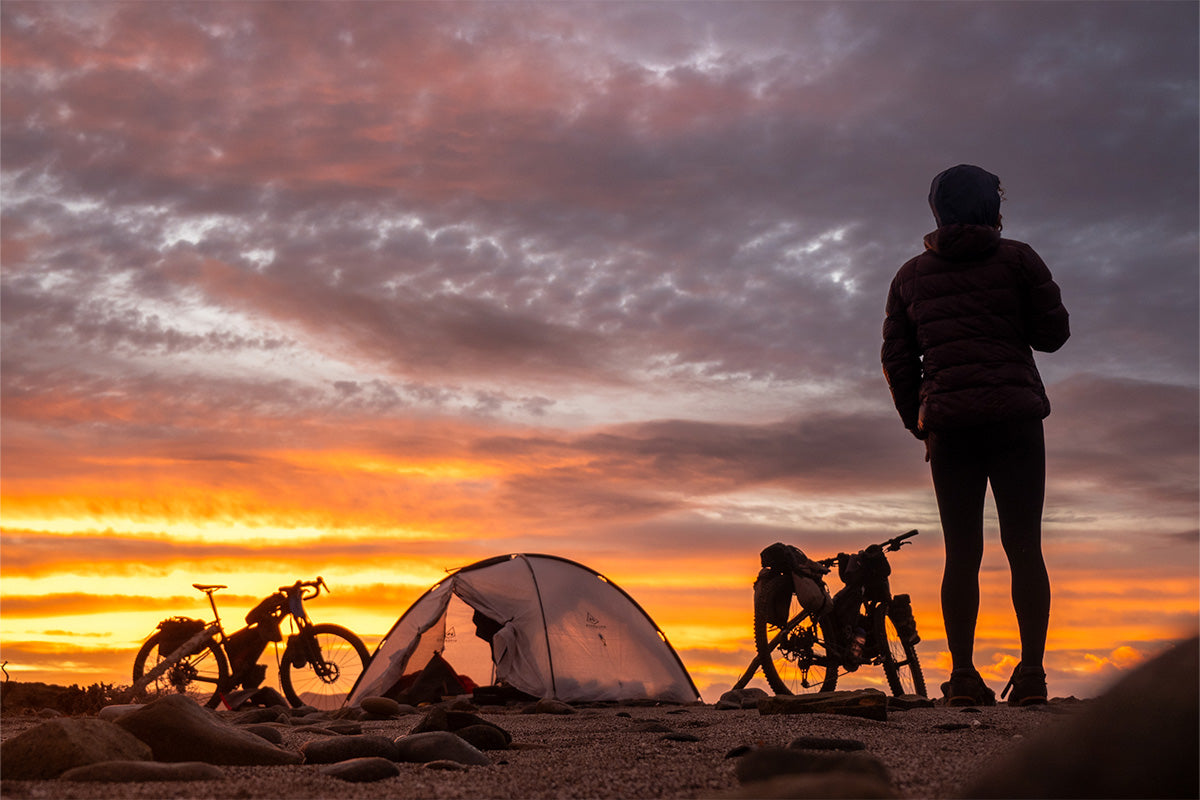
We anticipated a mix of wild camping in the interior, sleeping on beaches, as well as staying at wonderful small ranchos and in villages along the way. In-town camping is always a bit awkward without a tent, sandy beach camping is awkward without a free-standing tent, and I had been warned that we may well encounter quite a few surprisingly dewy nights despite being in the desert. That made the choice to go with the CrossPeak 2 tent a no-brainer.
 We had nights with hundreds of sand fleas hopping enthusiastically beneath the tent, a few days of absolute deluges, midnight visits from friendly dogs eager to play, raccoons sneaking up to steal our food, swarms of mosquitoes that may or may not have been carrying dengue fever, and nights spent camping at ranchos and folks' yards in towns. We were consistently relieved to have packed a full tent rather than a tarp. And for those pleasant, dry nights along the way, cowboy camping was always a welcome option, and on those nights, the tent just stayed strapped to the top of my bike's rear rack.