



Quick Summary
HMG gear tester, word and photo contributor, and all-around backcountry badass, Scott Nechemias, shares how he put 4 "incredibly simple tips" to work to get his occasional backpacker pal up to speed on the benefits of a thoroughly thought out, lightweight kit for a trip through the Superstition Mountains. If you're a backpacker with trail-tested knowledge to share, and you've got friends you want to enlighten with a better backpacking experience, this post is for you.
Words and Photos by Scott Nechemias @alongthewaypoints
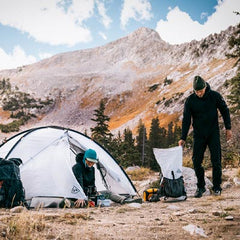
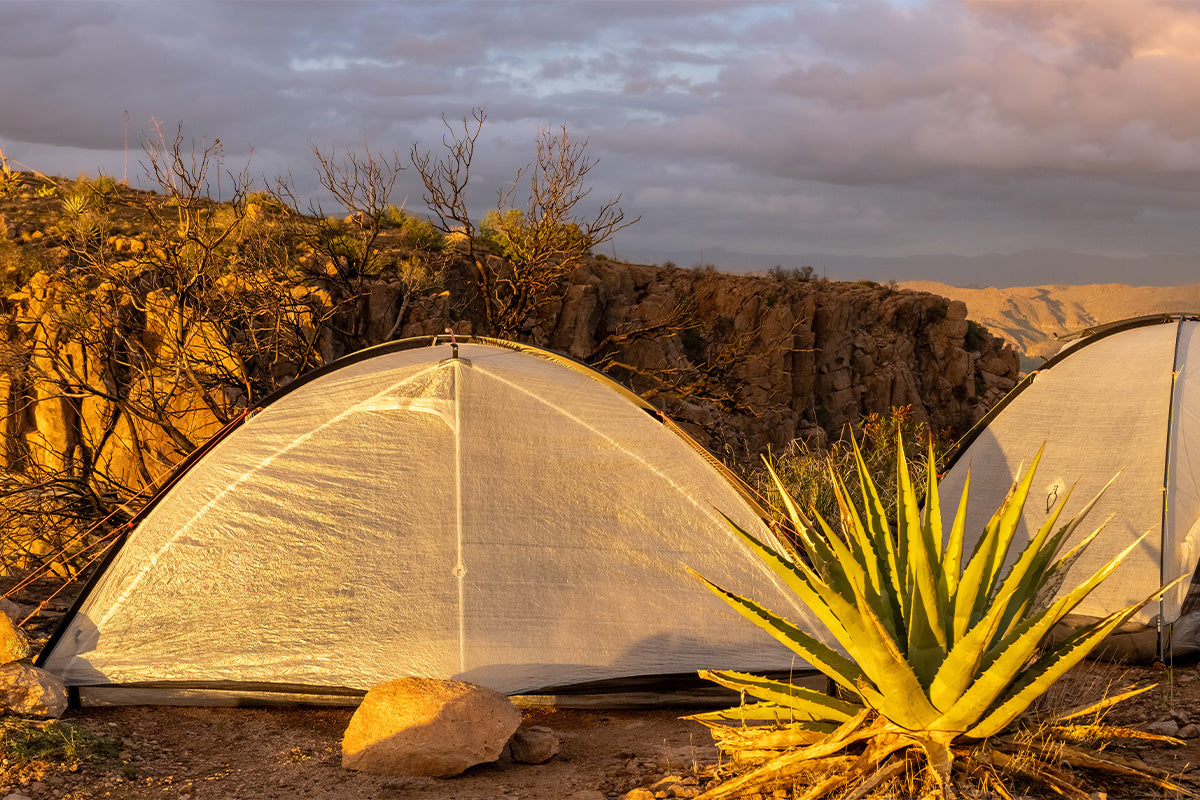
 The CrossPeak 1 on Superstition Ridge.
Do you have friends with traditional backpacking gear and would like to stage an intervention, but you’re not sure how? I recently took a friend who earned his Eagle Scout badge in the 1990s through a gear journey that ends in a sub 10 pound base weight and expanded backpacking horizons.
Consider your friends’ relationship with the outdoors and you likely have a few that meet the following description: They really love the outdoors but go backpacking only a few times a year at best. This is generally caused by believing prepping and planning for a trip is a complicated endeavor that can feel overwhelming to the uninitiated. For the experienced there are a great many things that are done by rote before a trip that are minutiae to those not spending time in the backcountry on a regular basis.
 John taking on the Superstition Wilderness with his curated UL kit.
To set the scene, John, my friend / victim in this story, has a lot of experience in the outdoors as an Eagle Scout and now Scoutmaster for his kid’s troop. His knowledge base is very traditional though, and as a busy adult who sometimes gets outdoors, he hasn’t been following the last 25 years of gear development with a close eye. He also has not been building a system for quickly and efficiently planning trips. I’ll break down for you how I made an information dump to him that ended in a four day ramble around the Superstition Wilderness.
INCREDIBLY SIMPLE TIP #1: Your friend’s body is going on the backpacking trip.
What kind of shape are they in now? If they have lead time, how diligently will they train to increase their fitness? In John’s case, I was lucky enough to have him treat it as an opportunity to increase his level of fitness. You can find the finer details of any exercise routine in a number of places, but my advice to those who are not in the midst of a thru hike and have sporadic gaps in when they can get outside goes in the following hierarchy of goods:
1. Trail run with elevation gain and loss
2. Street run with elevation gain and loss
3. Stairmaster with a loaded pack on
4. Walking with a pack on
 Trap Canyon, not a place you want to be fighting your gear or your fitness.
INCREDIBLY SIMPLE TIP #2: Take the time to make a gear list for your friend, and introduce it to them piecemeal.
John and I live on opposite coasts, and so via email I would take a single category of my Lighterpack, and we would only go through that particular category before moving on. Keep your information focused and in bite sized bits of information. An example of one of these categories was packed clothes. I made sure John understood what each item was and its general purpose. We then identified any existing gear he or I owned that would work for the trip, and what might be worth purchasing. Try to emphasize value here when purchases are going to be made so you are not bankrupting your friend. Below is actual text of an email from me to John.
PACKED CLOTHES (meaning stuff that will usually be in your pack during the day)
Baselayer top / fleece: The present state of the art here is a material called Alpha Direct Fleece, it dries incredibly quickly. You'll use it over your sun hoody maybe for the first couple minutes of hiking in the morning, or if we are on an exposed chilly windy spot for a break, but primarily as a camp baselayer for sleeping.
You won't want one heavier than 90gsm (it’s a measurement of the fabric weight), and in general it should be a sub 6oz hoody. Most of these brands can be found on a website called Garage Grown Gear. (Spoiler alert, I write articles for them.)
Baselayer Pants: Lower weight alpha fleece, look for 60gsm. Should come in around 4.5oz. Other competitors here are Montbells 3/4 length Zeoline lightweight baselayer, and Kuiu's 97 fleece zip off pants. I do think the Alpha Pants are the most comfortable.
Rain jacket: I have an extra Marmot Bantamweight Anorak that will fit you, it's never been used. Weighs 4.3oz - really cool piece of kit.
If you are going to buy a jacket, I'd suggest the Montbell Versalite, it's good enough looking that you might actually wear it somewhere besides backpacking, and it’s a great fully featured jacket at 6.5oz.
Rainpants: I have an extra pair, at 2.5oz. If you buy, I'm presently using Ultimate Direction Ultra Pants. If you wanted to buy a pair, I would suggest either the Ultimate Direction ones or the Montbell Versalite pants. I can see the UD pants being useful on a crappy weather Jersey winter run.
Rain pants are weird. Most trips they only get used in camp as a wind layer over my fleece baselayer pants. However: if you get caught in a storm high alpine, or if we get mixed precip / wet snowed on (Can happen in the Superstitions in November, generally does not) then you will get cold really fast without them.
Rain Mitts: REI GTX mitts, I have an extra pair of these I'll bring for you. They are basically just a rainshell for your hands, no insulation. If the forecast shows really cold temps then I'll probably throw in really light fingerless fleece gloves for us that will fit under the rain mitts.
Down jacket: Really only used in camp at night. I have a custom pullover that packs 3.5oz of down into a 6.5oz pullover hoody. It’s a crazy warm jacket for its weight. I have an Enlightened Equipment Torrid pullover I can bring for you.
Sleeping socks: Will just be an extra pair of your hiking socks. If there is good flowing water, you can wash your hiking socks and rotate them. There is typically at least one spot on a Superstitions trip with enough water for that. You'd hike with the washed pair on top of your pack (classy) for the rest of the day so they dry out, or typically in the desert they will dry overnight anyways.
Once we had each of these agreed upon, I marked it as gear I was bringing for John, he was purchasing, or gear he already owned. From there we made our way through the other categories I use to break up my gear checklist: Shelter, Pack, Sleep System, Worn Clothes, Ditty (first aid toiletries and electronics). This put things in bite sized bits of info and kept conversations from wandering too much. While we are in process, the message John is getting is: you don’t need a lot of stuff, you need a little bit of stuff that is the right stuff and very purpose driven.
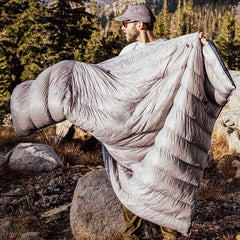
 Floofing the quilt before bedtime is a time honored ritual. While a trekking pole supported tent can be pitched on all this exposed rock, it's easier at the end of a long day to go freestanding.
INCREDIBLY SIMPLE TIP #3: Not everything has to be as UL as you are.
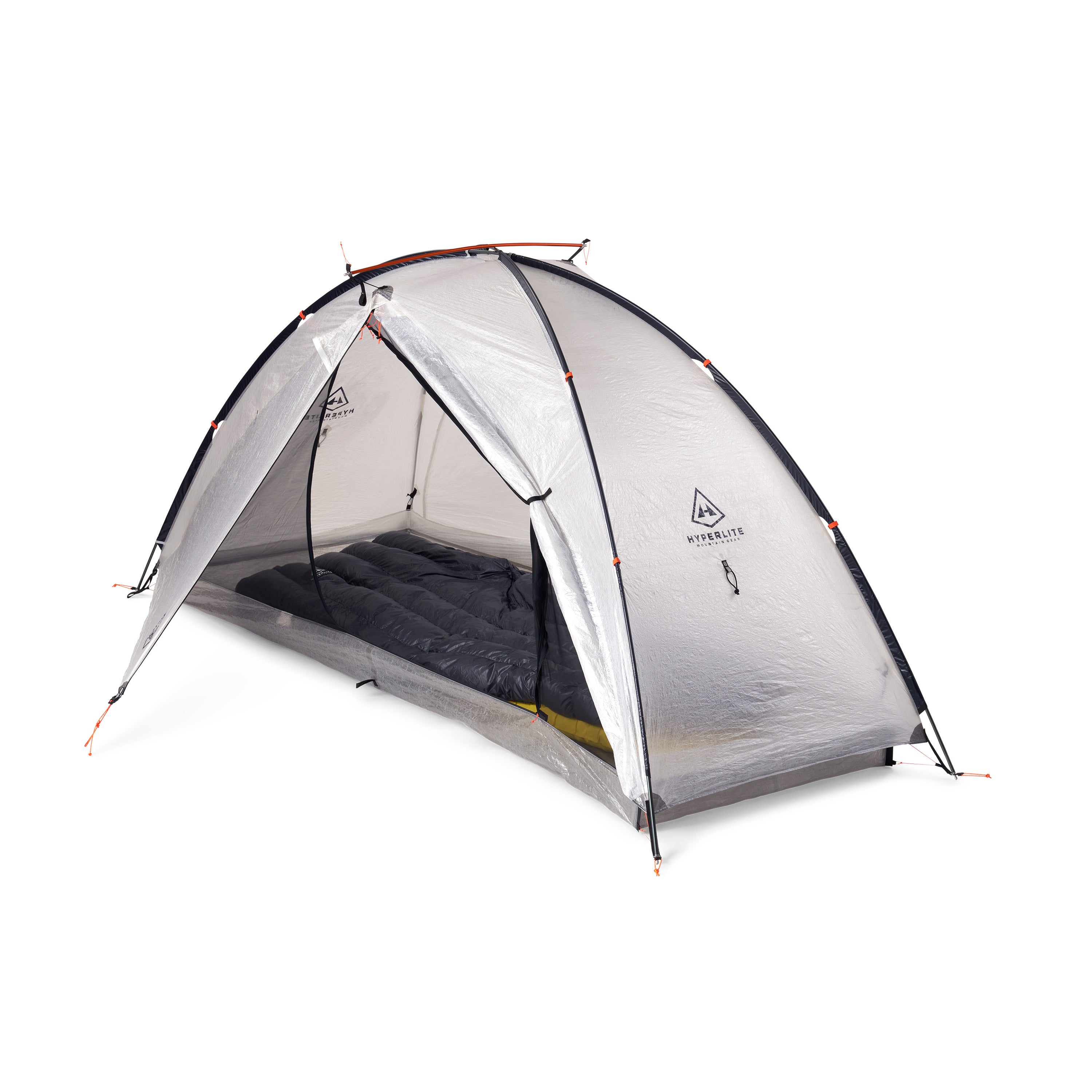
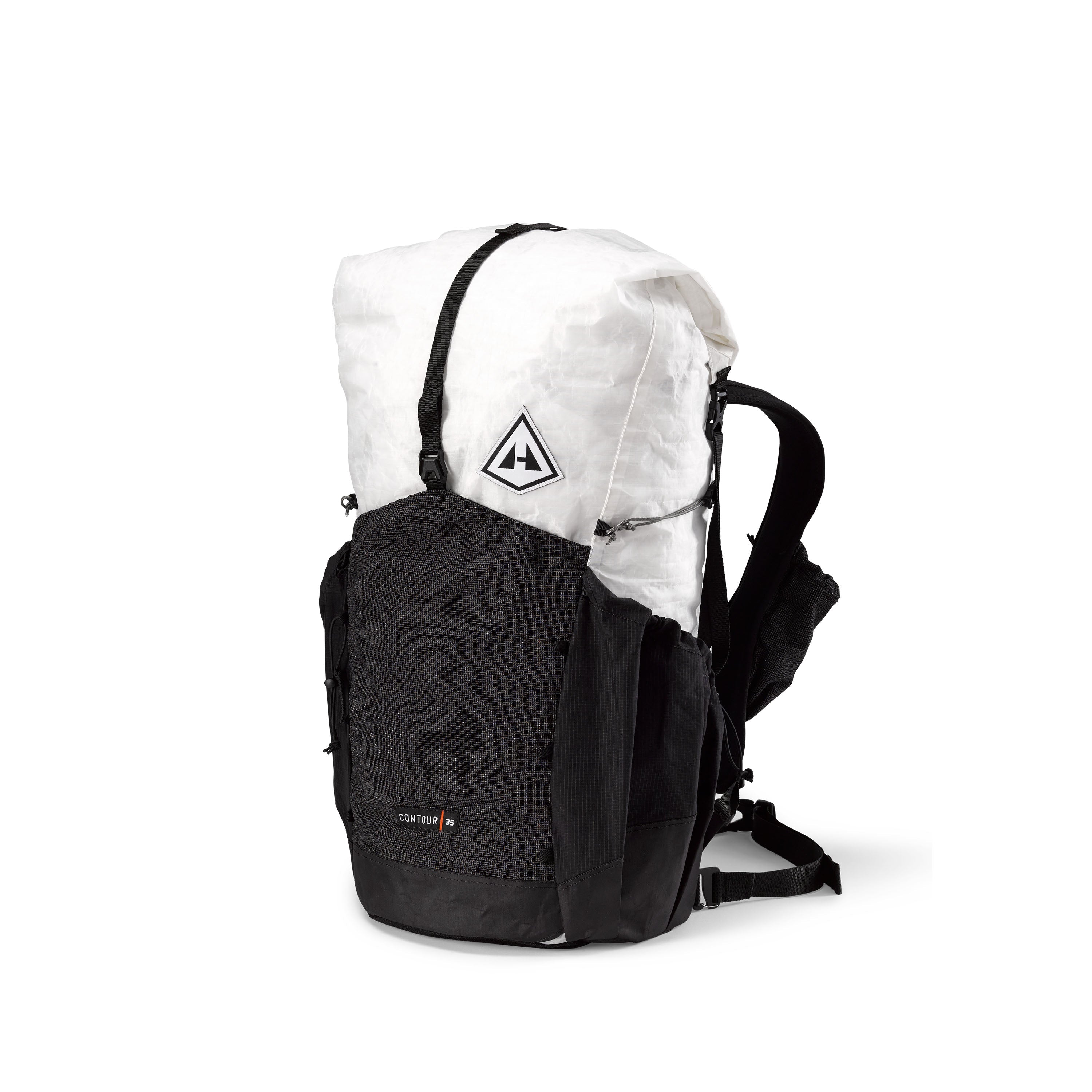
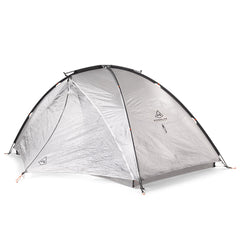
I spent a lot of time thinking about what I wanted John to experience while hiking, and decided one of my priorities was to get him walking with a frameless pack. A positive frameless pack experience can give a casual backpacker a spiritual conversion about being outside walking all day. I also knew he would be very tired at the end of the day and wanted to make some concessions to familiarity and ease. This is where the CrossPeak 1 comes in.
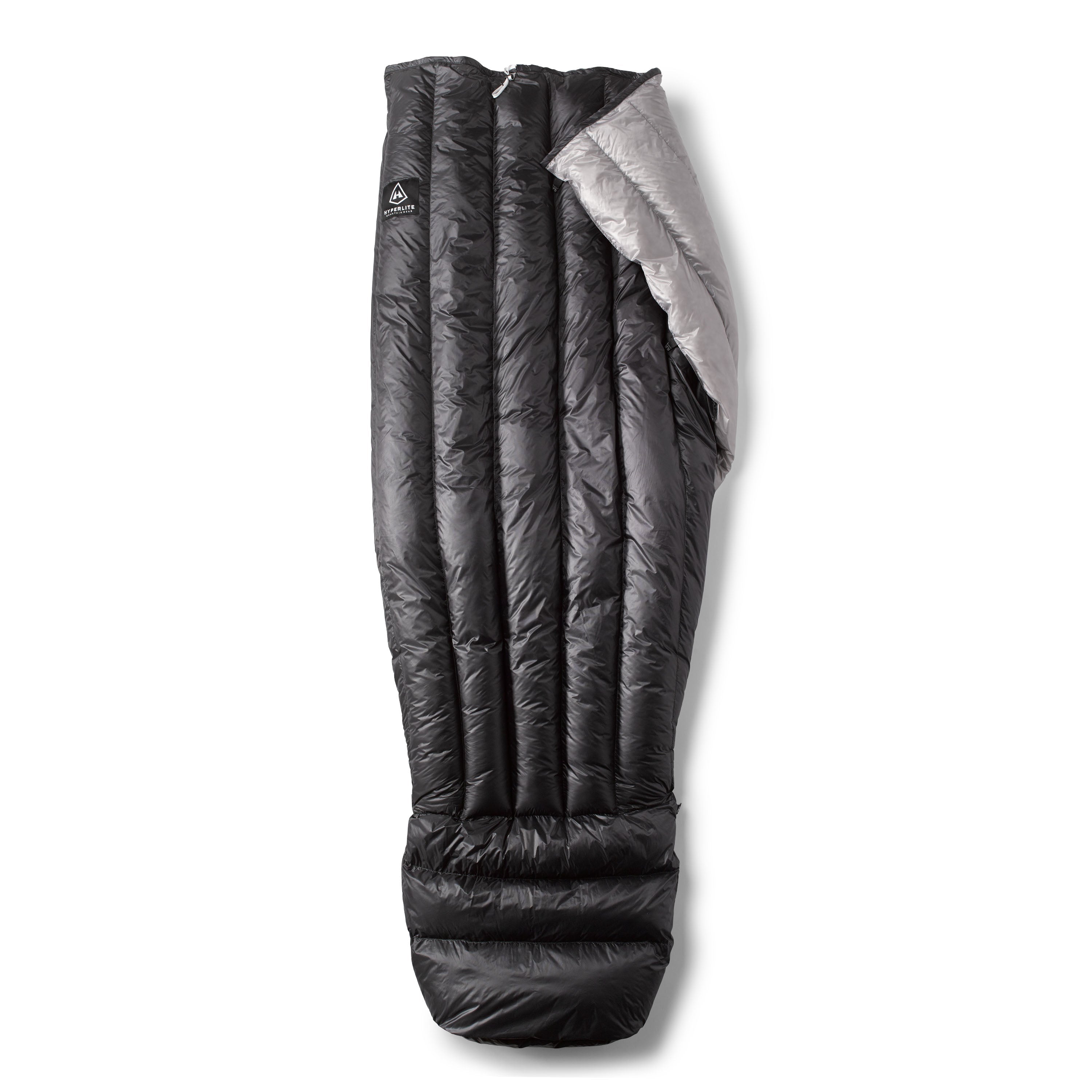
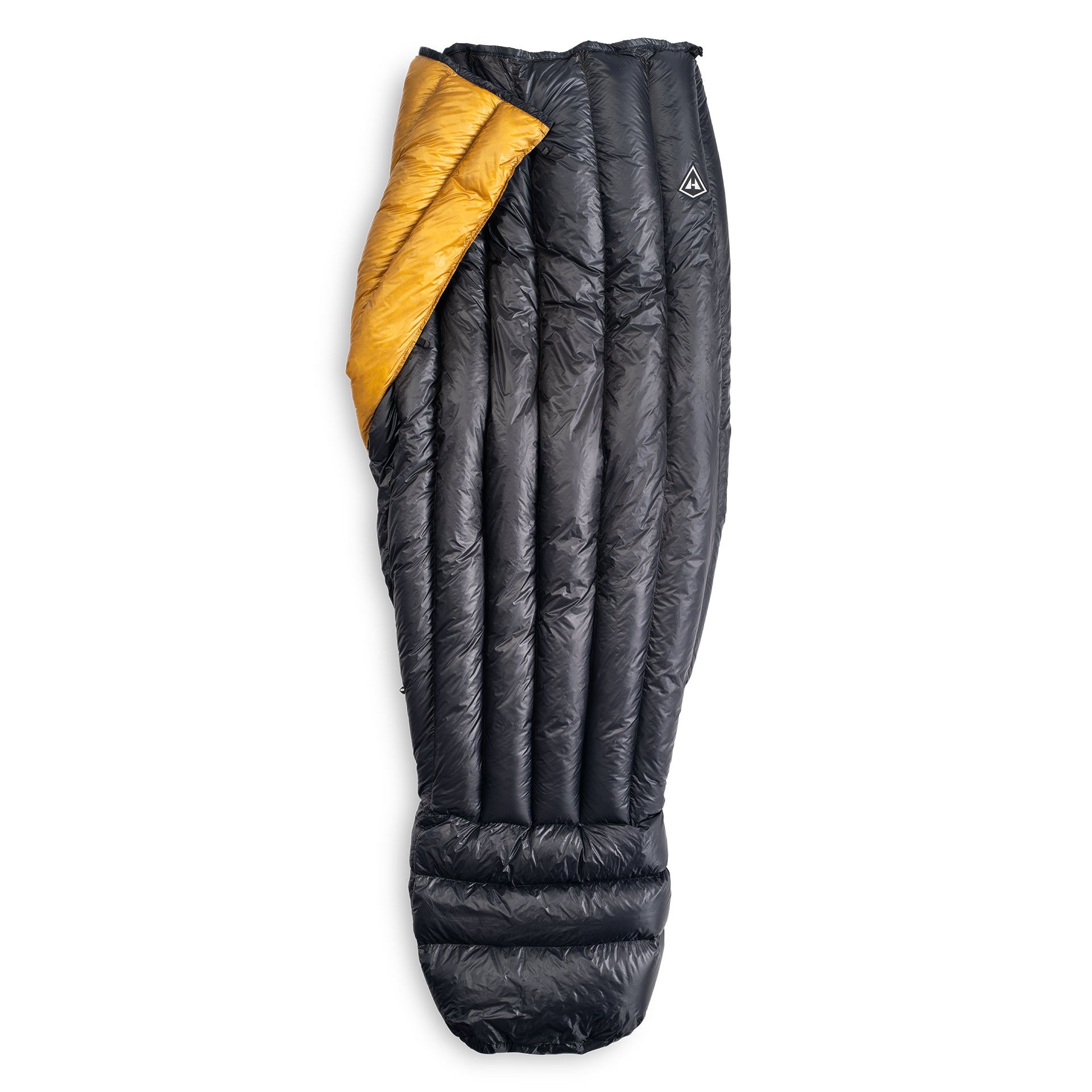
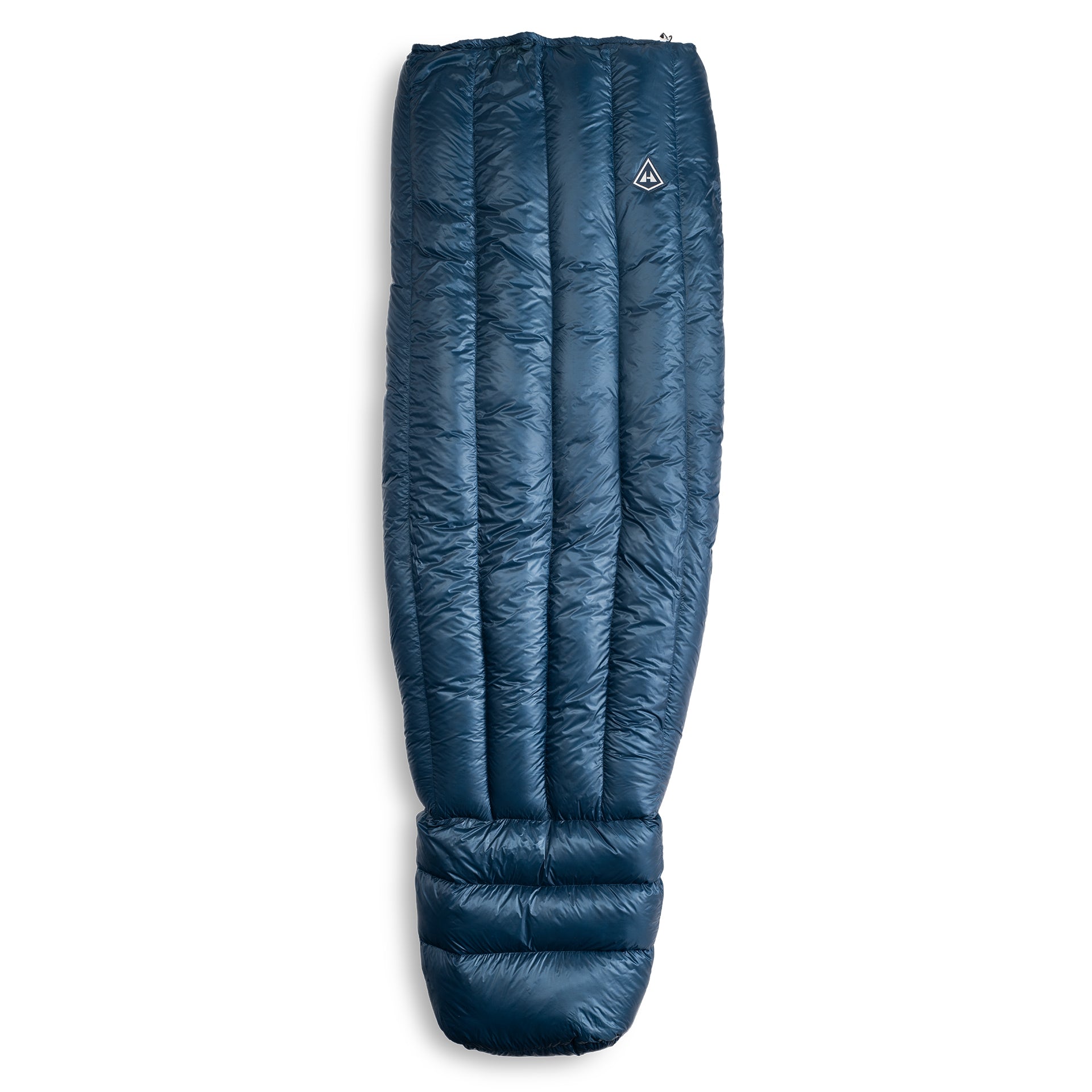
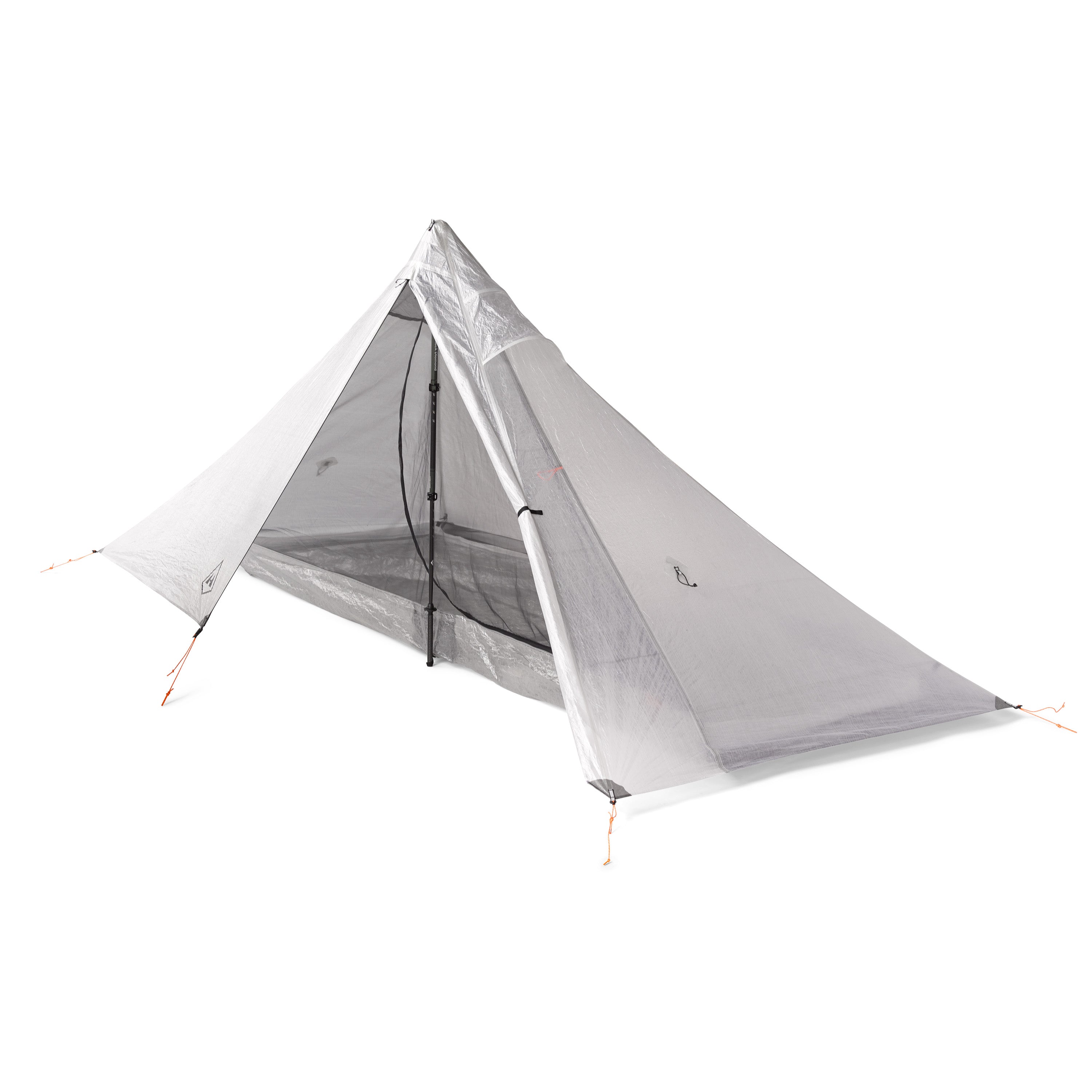
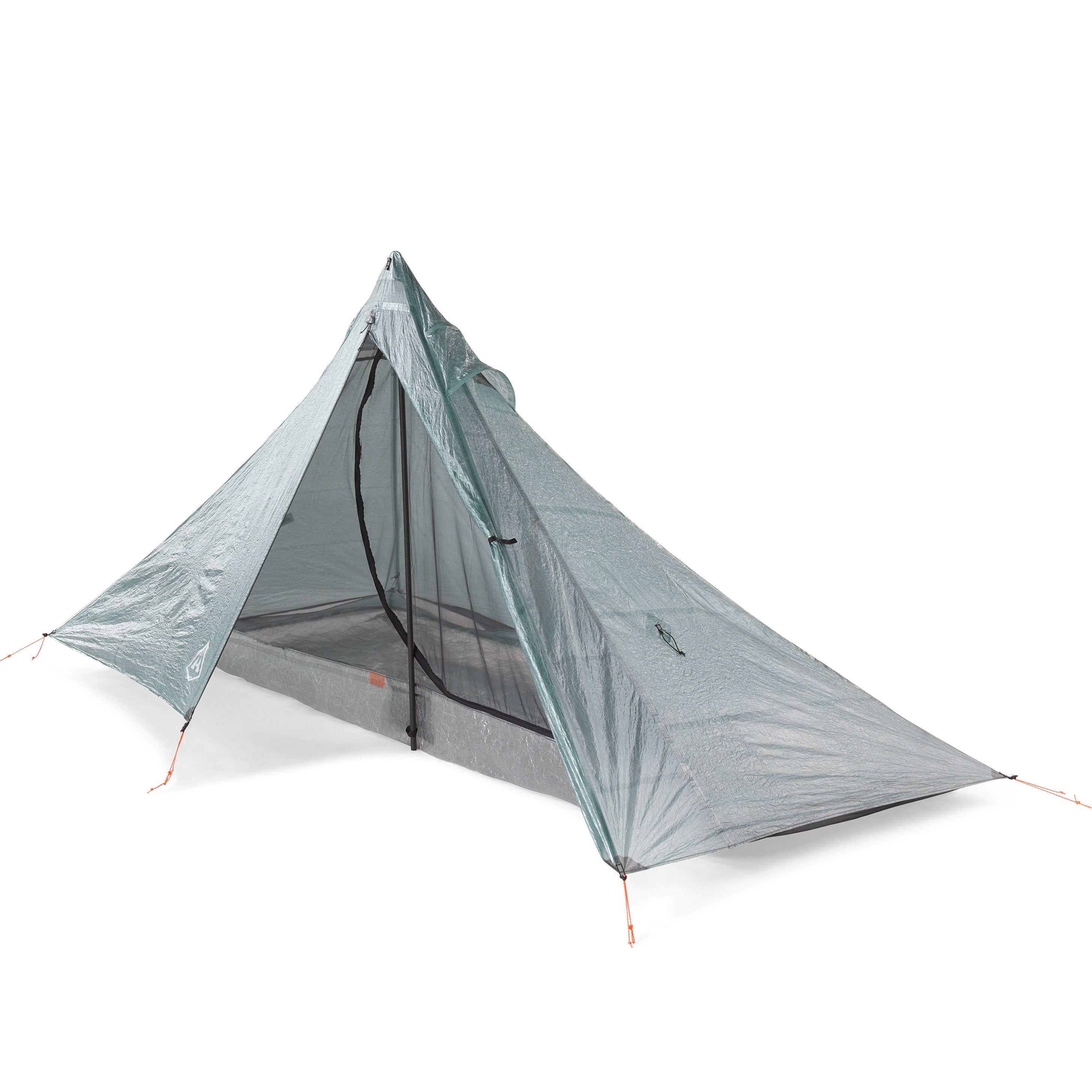
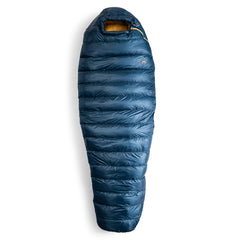
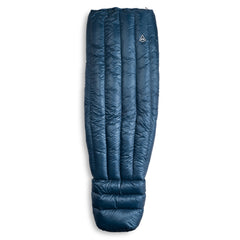
For the sake of 12oz or so versus putting John in a CrossPeak vs a Mid 1 (my preferred solo shelter) he was able to put up a tent at the end of the day that felt like what he associates with a tent, and was able to set it up without thinking. (Lets be fair to John, he did replace the less than Eagle Scout level hitches I put in the guylines). Along those lines, he could have gotten away with a 40-Degree Quilt, but I’m used to managing my layers to compensate for a quilt that might be on the edge of expected temps. John doesn’t need to be thinking about that with all his other new toys. John got the 20-Degree Quilt that was overkill for the conditions. I’m used to managing a fragile lower R value pad and picking a site that can compensate for its lack of warmth, John should just have a dependable Therm-A-Rest NeoAir X Lite for the end of the day. He can also use this gear in a wide variety of conditions in the future; he doesn’t need my overflowing gear closet of specialty condition matching choices.

Light enough to make walking fun, simple enough to not be a hassle for a tired brain at the end of the day. I look at the CrossPeak 1 as going a bit heavy and would choose it for specific circumstances. John sees a modern day technological marvel: a tent that looks somewhat like all the tents he’s had in his life, weighs 3 to 5 pounds less, and outperforms them all.

 A day we ended early to ensure success on the rest of the trip, and do some exploring.
INCREDIBLY SIMPLE TIP #4: Plan a trip that is easily modified - But hard!
The wilderness area I picked has an extensive, mostly well maintained trail network, and so at various points of the trip it was easy to dial back our plans or increase them. I did include some elements that had difficult scrambling. It was fun for John to see how much more ambitious you can be in that regard with a tidy and light kit. We did also pick a day to end early and slightly modify our route to have less mileage. In the end he got to see some parts of a popular wilderness area that very few people ever do!

Superstition Ridge is more of a path than a trail, not a place the casual backpacker will enjoy with unnecessary weight and a giant pack!
Hopefully this gives you some inspiration for getting your friends outside on more adventurous trips with lighter, more functional gear. And who knows, now that John has some miles of experience under their feet, he may be inspired to use the CrossPeak 1 the way I do pictured below!
 The CrossPeak 1 on Mt Adams a couple thousand feet above the PCT, and a month before the crowds get to it.