




Quick Summary
- Acclaimed photographer and Grand Canyon explorer and advocate, Rich Rudow, took a prototype build of the CrossPeak 1 tent to Southeast Greenland to test it in wet and windy conditions and help the R&D Team at Hyperlite Mountain Gear refine the design. He also encountered wildlife, remote, breathtaking landscapes, and the Aurora Borealis.
Words and Photos by Rich Rudow richrudow.com
 I have been a Hyperlite Ambassador and a dedicated user of their gear for nearly the 15 years they have been in business. One thing I’ve learned along the way is that Hyperlite takes the introduction of new products incredibly seriously; they don't just release gear, they obsess over testing it to ensure it meets the highest standards of the community. With that mindset, I brought the Crosspeak 1 to Southeast Greenland. Nominally a three-season tent, I wanted to push it into a true four-season environment to see exactly where its limits lay.

 The transition from the modern world to the primordial was a mere sixty-minute flight. Leaving the relative bustle of Iceland behind, we touched down in Kulusuk, a small island settlement that feels like the gateway to another dimension. Here, the air was sharper, the silence heavier, and the scale of the landscape immediately humbling. We were met by the team from Piruk Mountain Guides—masters of this terrain who facilitated our drop-off for a 21-day immersion into one of the most remote corners of the planet.
 Our mission was to experience this varied terrain on our own terms. I was joined by my friends Moe, Marlena, and Marianne from Bozeman, Montana. Moe had planned this trip meticulously, accounting for every logistical detail of our 21-day journey through the wilds. After being dropped off by boat deep in the backcountry, we were entirely self-sufficient, navigating a landscape where we were no longer at the top of the food chain.
 LIVING WITH PREDATORS AND PURE WATER
In Southeast Greenland, safety is not an afterthought; it is a primary protocol. To protect against the region’s top predator—the polar bear—our camp was a fortress of sorts. Piruk provided us with a .30-06 rifle, hand flares, and a sophisticated trip-wire fence. Every night, we ringed our camp with the wire and six explosive charges designed to detonate and scare off any curious bears. Sleeping in a lightweight tent is a different experience when you know a thin perimeter of explosives and a rifle are your only shields against a 1500 lb carnivore.
 Despite the predatory threat, the environment offered a rare, pristine purity. The water in Greenland is so clean that we never filtered a single drop in 21 days. Coming directly from glacier melt in a land with almost no humans or animals to foul the source, it was the purest hydration I’ve ever experienced.
 THE RHYTHM OF THE FJORD AND PEAK
The expedition was a masterclass in scale and color. We spent days in our Alpacka Packrafts—which we had hauled all the way from our homes in the US—dwarfed by icebergs the size of cruise ships. These crystalline cathedrals sat in the water like silent monuments. When we weren't on the water, we were on the rock, climbing stunning granite peaks that erupted from the ocean like scenes straight out of Patagonia. These jagged coastlines were draped in beautiful waterfalls and surrounded by massive glaciers.
 Over the course of the three weeks, the landscape transformed before our eyes. We watched the fall colors of the tundra shift in real-time, moving from summer greens to deep, fiery autumn hues. Near the high mountain passes, we discovered nearly frozen lakes tucked away in the shadows of the granite spires.
 The centerpiece of the trip was a grueling six-day trek into a marquee fjord system—a spectacular confluence where four major glaciers met the sea. The sheer volume of ice was staggering; thousands of icebergs choked the water, while whales breached in the distance and seals sunned themselves on the floes.
THE PROTOTYPE: ENGINEERING THE CROSSPEAK 1
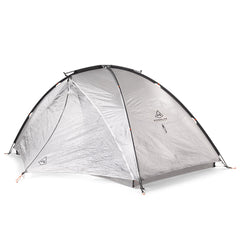
The Southeast Greenland coast in late August is a demanding environment that typically requires "arctic monsters"—heavy-duty shelters like the Hilleberg (9 lbs) or Slingfin (6 lbs) used by others in our group. During our 21 days in the field, we were hammered by rain 70% of the time, providing the ultimate test for the CrossPeak 1.
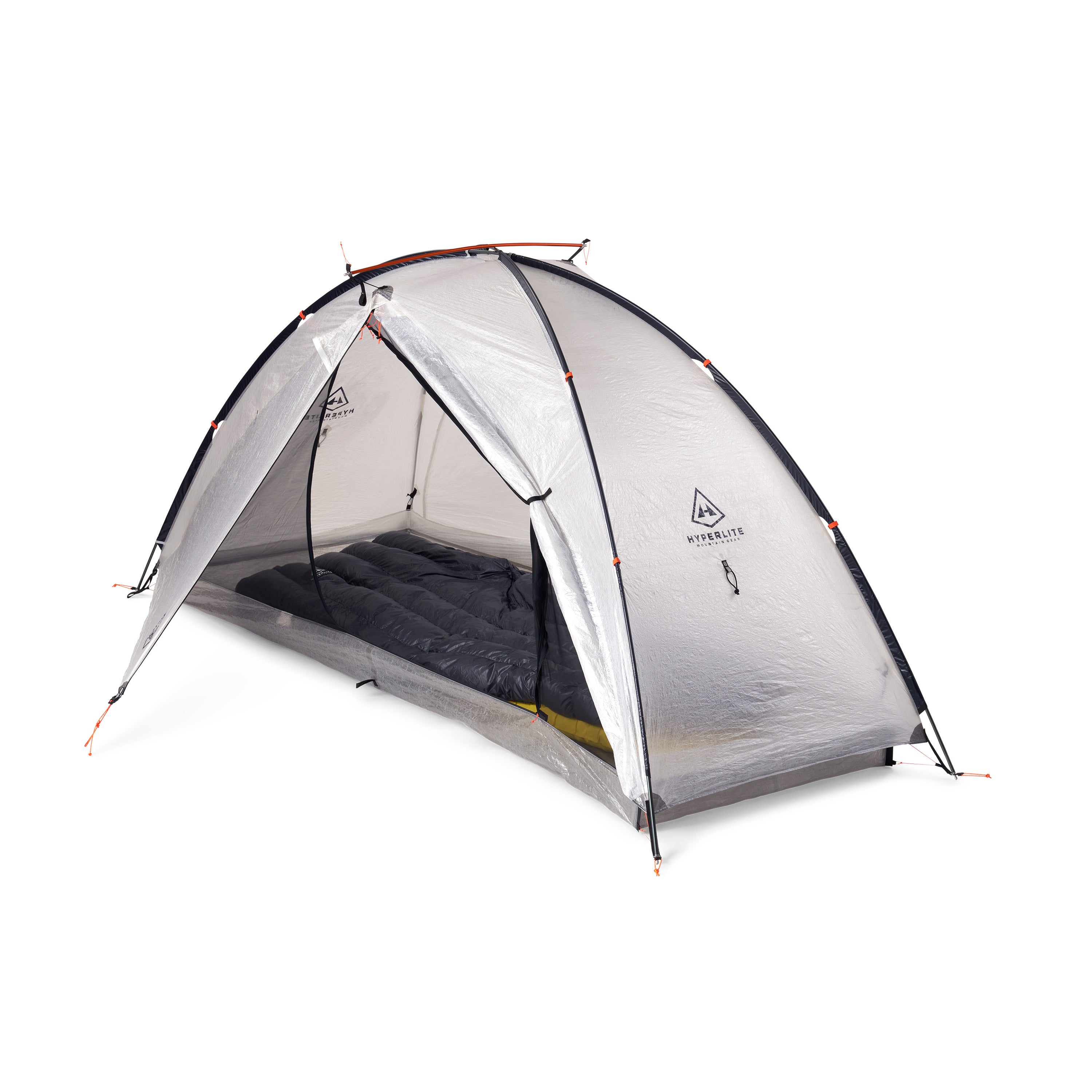
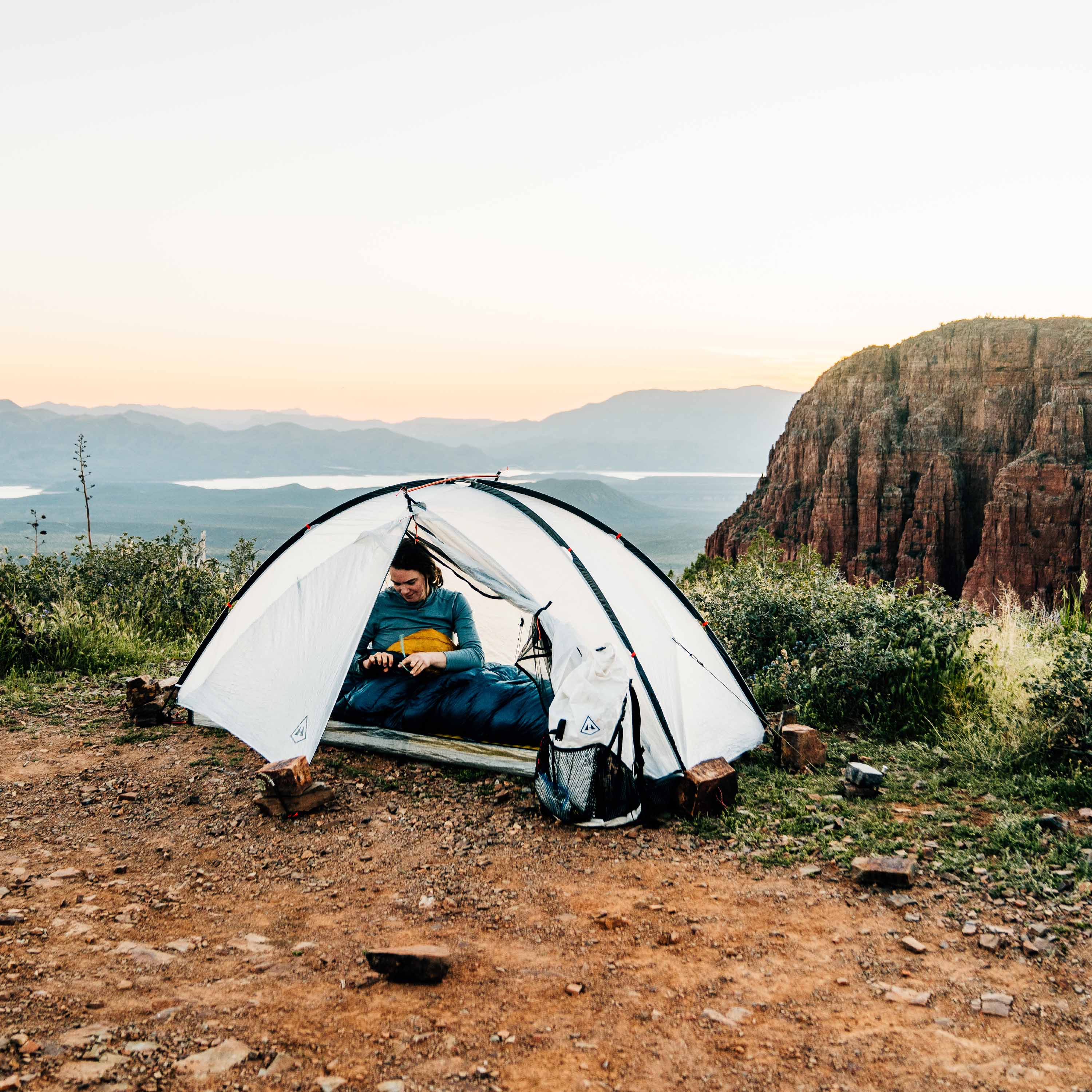
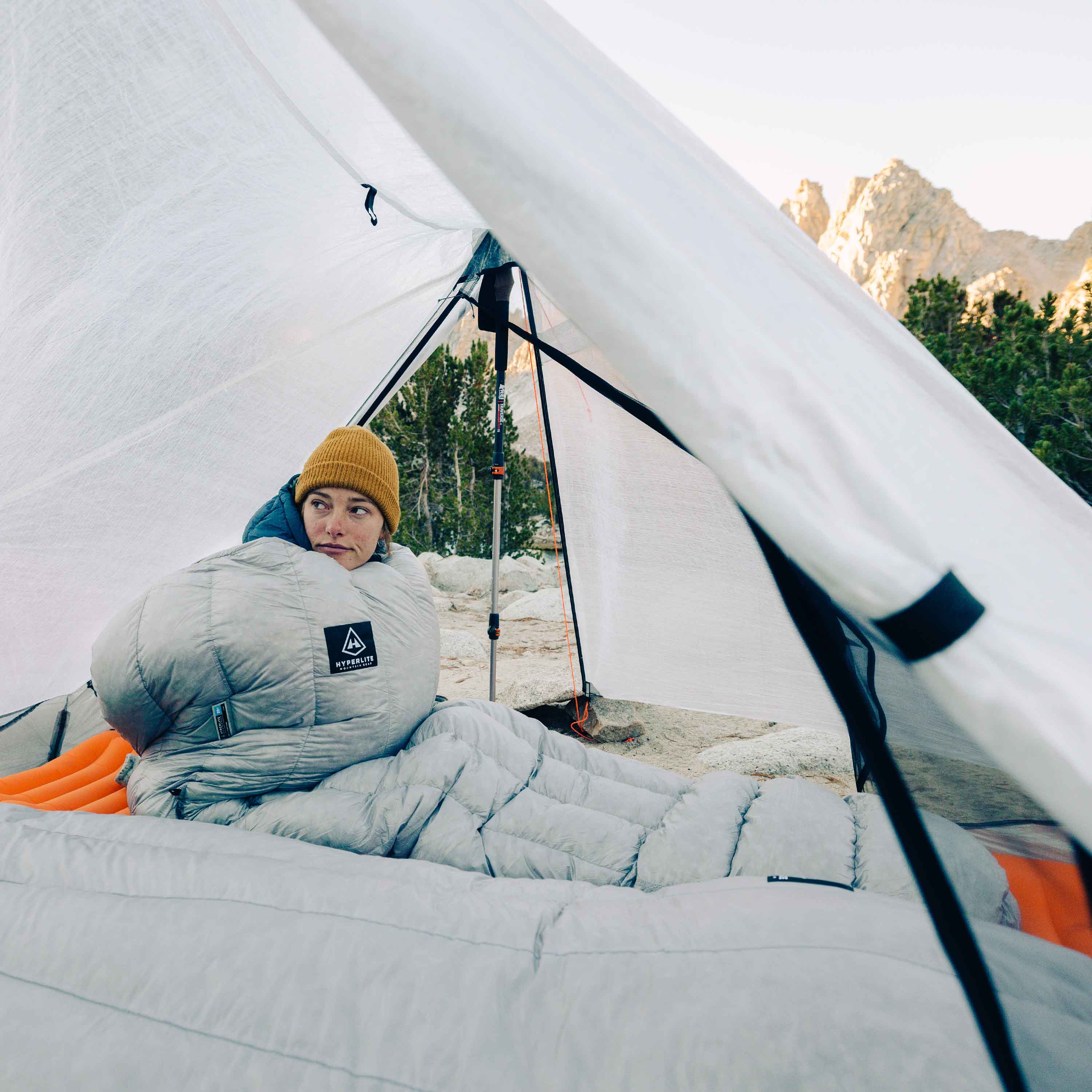
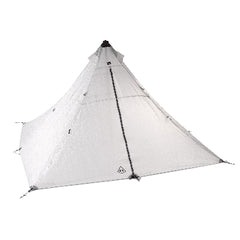
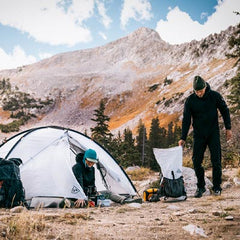
 The prototype stood in defiant contrast at just 30 ounces. One of the most impressive aspects of the design was its livability; for a single-person shelter, it was quite roomy. It was wide enough to easily accommodate a long-and-wide Nemo Tensor pad, with approximately 10 inches of extra space remaining on the side and another 10 inches at the foot. This extra volume ensured my gear and sleeping bag stayed well away from the walls, a critical factor given the persistent moisture.
Functional performance was key. Any condensation that formed on the interior walls followed the intended path, draining efficiently through the mesh netting as designed. The non-door side netting became my "Greenland shelf"—the perfect catch-all for rain gear and wet socks, allowing them to breathe and drain while keeping the main living area pristine.
 The prototype I tested was originally designed to allow one trekking pole to reinforce one side of the shelter against high winds. However, my feedback from the field was clear: the environment demanded more balance. It is rewarding to see that the new production units have evolved to allow for two poles, ensuring that both sides of the shelter are reinforced. This creates a much more stable and symmetrical structure for the high-wind environments we encountered.

 UNDER THE AURORA
The true reward for the physical toll came during the few clear nights. As the sun dipped below the jagged horizon, the sky would ignite. We stood outside our trip-wire perimeter as the Aurora Borealis swept across the sky in curtains of violet and neon green. The light was so intense it reflected off the translucent skin of the Crosspeak 1, making our home look like a glowing lantern at the base of the mountains.

REFLECTIONS FROM THE FIELD
As we prepared for the return to Kulusuk, I looked back at the confluence of the glaciers. We had lived out of our packs for three weeks, moved through ice and fog, and gathered the data needed to bridge the gap between a three-season lightweight tent and a true four-season "light" mountaineering shelter. Greenland is a place that demands respect, but for those who come prepared with the right gear, it offers a glimpse into a world that remains raw, unforgiving, and utterly magnificent.

Shop the Story